
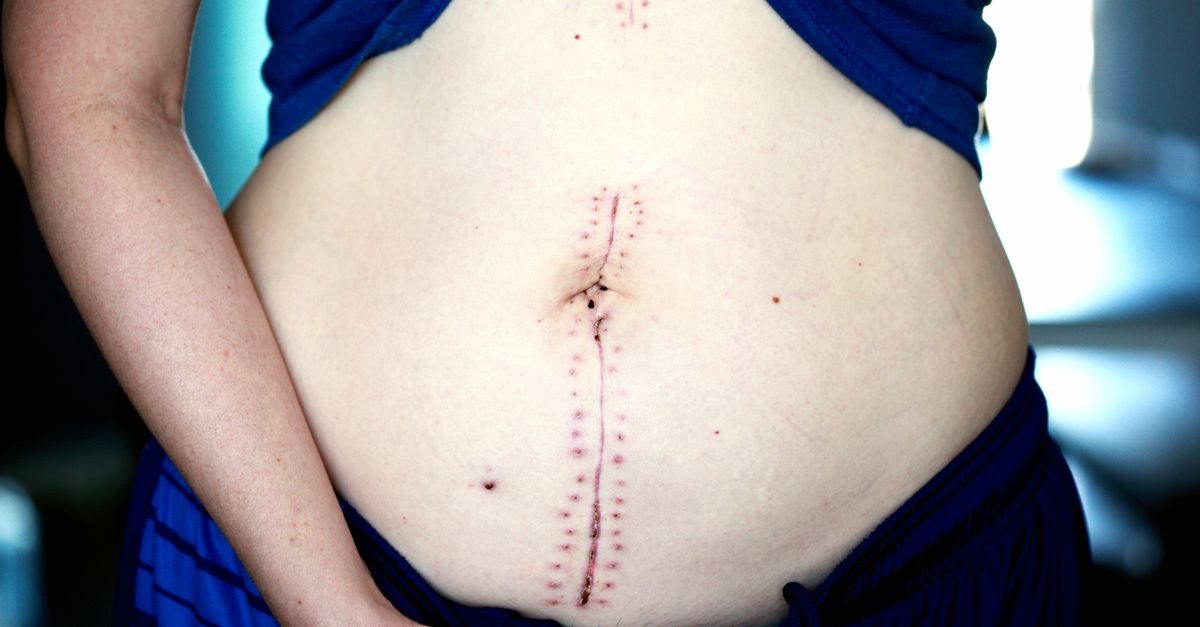
A bulge that appears when you cough, a dull pull near an old surgical scar, or a belly that no longer feels like it holds you together: these experiences can be unsettling. Many people live with them quietly for months or years, unsure whether anything can be done. The good news is that the abdominal wall can often be repaired, and understanding the basics is a helpful first step toward a confident conversation with your doctor.
What Is the Abdominal Wall?
The abdominal wall is a layered structure of muscle, connective tissue called fascia, fat and skin. It protects the organs inside, supports your posture, and helps you bend, twist, lift and breathe. The fascia acts like a strong sheet that keeps everything in place. When that layer weakens or separates, tissue from inside the abdomen can push outward, forming a hernia.
What Is Abdominal Wall Reconstruction?
Abdominal wall reconstruction is a surgical approach used to restore the strength and structure of the abdominal wall. It is typically considered for larger or more complex problems than a simple hernia repair, such as recurrent hernias, large defects, or hernias that develop after previous operations. The goal is to close the gap, return the muscles toward their natural position, and reinforce the area so it can withstand everyday pressure.
Who Is Affected?
Incisional hernias, which form at the site of a prior surgical cut, are among the most common reasons for reconstruction. Published studies suggest that a meaningful share of people who have abdominal surgery develop one at some point. Other factors that raise the risk include:
- Prior abdominal operations or wound infections
- Obesity and significant weight changes
- Smoking and diabetes, which can impair healing
- Pregnancy, which can stretch and separate the muscles
- Chronic coughing, straining or heavy lifting
- Trauma or past hernia repairs that did not hold
The goal is to close the gap, return the muscles toward their natural position, and reinforce the area so it can withstand everyday pressure.
Why It Matters
A hernia is more than a cosmetic concern. It can cause discomfort, limit activity and affect confidence. Occasionally, bowel can become trapped in the defect, cutting off blood flow. This is an emergency. Severe pain, a hernia that becomes firm, tender or discolored, or pain with vomiting and inability to pass gas or stool needs immediate medical attention.
How Repairs Are Approached
Surgeons choose among several strategies depending on the size and location of the defect, your overall health and any previous repairs. Common elements include:
- Primary closure, where the fascia is stitched back together
- Mesh reinforcement, which is widely supported by research as lowering the chance of recurrence compared with suture alone for many hernias
- Component separation, a technique that releases layers of muscle so they can slide toward the midline and close larger gaps
- Open, laparoscopic or robotic approaches, selected case by case
Each option carries benefits and risks, including infection, fluid collection, pain and the possibility of recurrence. Evidence also shows that outcomes tend to improve when risk factors such as smoking and poorly controlled diabetes are addressed beforehand.
Practical Tips Before and After Surgery
- Ask which technique is being recommended for your hernia and why it fits your situation.
- Talk through every medication and supplement you take, especially blood thinners.
- If you smoke, ask for help stopping well before any planned surgery, since smoking slows wound healing.
- Work with your care team on blood sugar control and a healthy weight where relevant.
- Plan help at home for lifting, driving and daily tasks during early recovery.
- Report fever, spreading redness, drainage or worsening pain promptly.
Recovery: What to Expect
Recovery varies with the extent of the repair. Many people need a hospital stay, temporary restrictions on lifting, and a gradual return to activity guided by their surgeon. Walking is usually encouraged early to support circulation and healing, while strenuous exercise waits until the tissue has had time to strengthen. Follow your surgeon's specific instructions, as they reflect your individual repair.
Take the Next Step
If you notice a bulge, ongoing abdominal wall pain or a hernia that has come back, you do not have to sort it out alone. A thorough evaluation can clarify what is happening and what options exist. Aldo Gamarra, MD, practices in Lancaster, CA, and you can call (661) 579-6088 to ask about your concerns.