
Ventral hernia Treatment in Lancaster
A ventral hernia is a bulge that forms when tissue pushes through a weak spot in the front abdominal wall, and it rarely improves without repair. Aldo Gamarra, MD offers specialty medical care in Lancaster, CA, with a careful evaluation and a clear plan built around your situation.
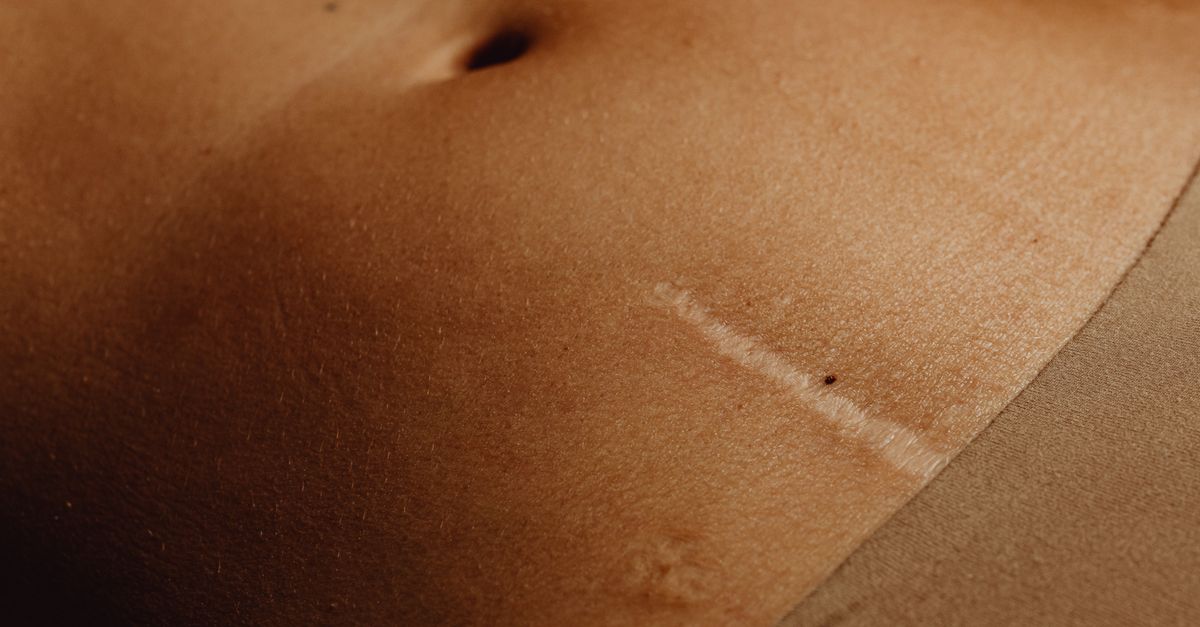
Understanding Ventral hernia
A ventral hernia occurs when part of the intestine or fatty tissue pushes through a gap or weakness in the muscles and connective tissue of the front abdominal wall. The term covers several types, including umbilical hernias near the navel, epigastric hernias between the navel and breastbone, and incisional hernias that develop at the site of a prior operation. Ventral hernias are common in adults, and many people live with a small bulge for months or years before seeking care. Over time, the bulge can enlarge and interfere with work, exercise, sleep and everyday comfort.
Hernias develop where the abdominal wall is weakened and internal pressure is high. Previous abdominal surgery is one of the most frequent causes, since scar tissue may not be as strong as the original muscle wall. Other risk factors include obesity, pregnancy, chronic coughing, constipation and straining, heavy lifting, smoking, diabetes, poor wound healing, and advancing age. Some people are born with a small area of weakness that becomes a hernia later in life. Often several factors combine, and a single strain can reveal an existing weak spot.
Professional evaluation matters because a hernia cannot heal on its own, and the risk is not always obvious from the size of the bulge. Small hernias with narrow openings can trap tissue, leading to incarceration or strangulation, which cuts off blood supply and is a surgical emergency. A physical exam and, when needed, imaging can confirm the diagnosis, identify the type and size, and help decide between watchful waiting and repair. Planned repair is generally safer and easier to recover from than emergency surgery, and addressing risk factors beforehand can lower the chance of recurrence.
Signs & Symptoms of Ventral hernia
- Visible bulge. A soft lump on the front of the abdomen, often near the navel or a prior surgical scar.
- Bulge that changes with effort. The swelling may become more noticeable when standing, coughing, lifting or straining.
- Dull aching. A pulling or aching sensation at the site, especially at the end of the day.
- Discomfort with activity. Lifting, bending or exercise may bring on pressure or tenderness.
- Burning or pinching. Tissue pressing through the muscle wall can irritate nearby nerves.
- Bulge that flattens when lying down. Many early hernias shrink back when you rest, which is called reducible.
- Abdominal heaviness. A feeling of fullness or weakness in the abdominal wall.
- Warning: Sudden severe pain. Intense pain at the hernia site may signal trapped or strangulated tissue.
- Warning: Bulge that will not go back in. A hernia that cannot be gently pushed back is considered incarcerated.
- Warning: Redness or dark discoloration. Red, purple or dusky skin over the bulge suggests reduced blood flow.
- Warning: Nausea and vomiting. These can indicate that the bowel is obstructed.
- Warning: Fever. Fever along with a painful bulge may point to infection or tissue injury.
- Warning: Unable to pass gas or stool. This can be a sign of bowel obstruction and needs urgent evaluation.
- Warning: Rapidly growing bulge. Quick enlargement deserves prompt attention.
- Warning: Firm, tender swelling. A hard, painful lump is different from a soft, reducible bulge.
What to Expect
- A soft bulge on the front of the abdomen, often near the navel or a prior surgical scar
- A hernia will not heal without repair because the defect does not close itself
- Evaluation includes a physical exam while standing and straining, with ultrasound or CT when needed
- Options include observation for small painless hernias, or open, laparoscopic or robotic-assisted repair
- Severe pain, a bulge that will not go back in, vomiting or fever needs emergency care
How We Treat Ventral hernia
Assessment
Your history, prior surgeries and symptoms are reviewed in detail. The abdominal wall is examined while you stand and strain. Ultrasound or CT imaging may be used to define the size and contents of the hernia.
Treatment Plan
Options are explained in plain language, including observation or repair. If surgery is advised, the technique and timing are matched to your hernia and health. Steps to prepare, such as medication review, are laid out ahead of time.
Ongoing Care
After treatment, follow-up visits check how the area is healing. You receive guidance on activity, lifting and returning to work. Any new symptoms can be reviewed so problems are caught early.
Benefits
A Personalized Care Plan
No two hernias or patients are alike. Your plan reflects the type and size of your hernia, your health history and your daily activities.
Unhurried Time to Ask Questions
You deserve to understand your diagnosis and options. Bring your questions about repair, recovery and risks so you can decide with confidence.
Coordinated Follow-Up
Care does not end after the procedure. Follow-up visits help monitor healing and address concerns, with the practice at 1658 West Ave J., Lancaster.
Your Treatment Journey
First Evaluation (week 1)
You describe your symptoms and history, and the abdominal wall is examined while you stand and strain. Imaging such as ultrasound or CT may be ordered when the diagnosis or size is unclear. You leave with a clear explanation of your options.
Treatment Begins (weeks 2-4)
If repair is advised, pre-operative planning is completed, including medication review and guidance on smoking, weight and activity. The repair is then scheduled and performed, followed by early recovery instructions.
Progress Review (month 2-3)
A follow-up visit checks healing, activity levels and any lingering discomfort. Most people are returning to normal routines by this point, though heavy lifting may still be limited.
Long-term Management
Ongoing habits such as healthy weight, avoiding smoking and safe lifting help protect the repair. Report any new bulge or pain so it can be checked promptly.
Symptoms Closing Note
If you recognize these signs, help is available. Early treatment leads to better outcomes.
Treatment Modalities
Surgical repair is the definitive treatment for a symptomatic ventral hernia. Evidence-based approaches include open repair, laparoscopic repair and robotic-assisted repair, each of which closes the defect and commonly reinforces the area with surgical mesh to lower the chance of recurrence. Small hernias may be repaired by suturing alone, while larger or recurrent ones usually benefit from mesh. Watchful waiting may be reasonable for small, painless hernias in select patients. Supportive measures such as managing cough or constipation, stopping smoking, controlling blood sugar and working toward a healthy weight improve healing. Pain relievers are used for comfort around surgery, but they do not treat the hernia itself.
Why Choose Aldo Gamarra, MD for Ventral hernia Treatment
Timelines vary with hernia size, repair technique and your overall health, so your own schedule may differ.
Common Questions About Ventral hernia
How long does ventral hernia treatment take?
The evaluation is usually a single visit. If repair is recommended, the operation itself often takes one to a few hours depending on hernia size and technique. Recovery varies; many people return to light activity within days to weeks, while heavy lifting is restricted for longer. Your surgeon will give guidance specific to your repair.
Is medication required for a ventral hernia?
Medication does not fix a hernia, because the problem is a defect in the abdominal wall. Over-the-counter pain relievers may help with discomfort, and other medicines may be used around surgery. Your plan will be discussed individually.
Does insurance cover ventral hernia repair?
Coverage depends on your plan and the details of your case. Please call the office at (661) 579-6088 to ask about coverage and verify your benefits with your insurer before scheduling.
What if the first treatment does not work?
Hernias can recur, particularly with large defects, obesity, smoking or heavy strain. If symptoms return or a bulge reappears, you can be re-evaluated, imaging may be repeated, and a different technique or approach may be considered.
Can a ventral hernia go away on its own?
No. A hernia will not heal without repair because the muscle or scar defect does not close itself. Some small, painless hernias are monitored, but they should still be examined and watched for changes.
When should I seek emergency care?
Go to the nearest emergency department if you have severe pain, a firm bulge that will not go back in, vomiting, fever, or cannot pass gas or stool. These may be signs of a trapped or strangulated hernia.
Get Help for Ventral hernia Today
You don't have to face Ventral hernia alone. We are ready to help. Call (661) 579-6088 · 1658 West Ave J., Lancaster, CA 93534
Schedule an Appointment