
Robotic Hernia Repair in Lancaster
Robotic hernia repair treats groin, abdominal wall, and incisional hernias through a few small incisions using precise, surgeon-controlled instruments. Aldo Gamarra, MD offers this specialty medical care to patients in Lancaster, CA, with a focus on clear explanations and careful follow-up.
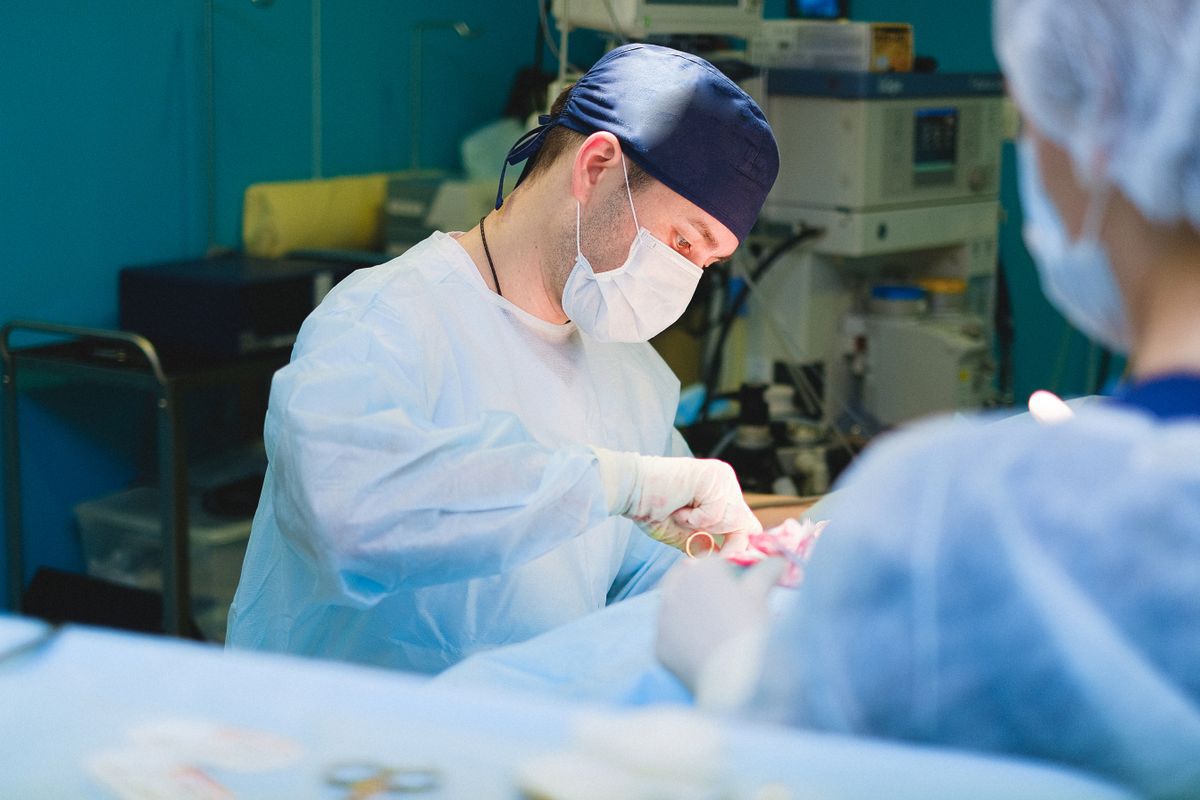
What is Robotic Hernia Repair?
A hernia occurs when part of the intestine or fatty tissue pushes through a weak spot in the muscle wall of the abdomen or groin. Hernias can develop at birth, after surgery at an incision site, or from years of strain, heavy lifting, chronic coughing, pregnancy, or aging. They do not heal on their own, and the only definitive treatment is surgical repair.
In robotic hernia repair, the surgeon operates from a console while the system translates hand movements into small, precise motions of instruments inside the abdomen. A magnified three-dimensional view helps the surgeon see the tissue layers clearly, and the instruments move with a wide range of motion that can make suturing and mesh placement more exact in tight spaces.
Research comparing minimally invasive and open approaches generally shows smaller incisions, less early postoperative pain, and a quicker return to routine activity with minimally invasive methods. Robotic techniques are especially useful for complex or recurrent hernias and ventral hernias that need careful closure of the defect. The right choice always depends on your anatomy and health.
Common symptoms and indicators
- A visible or palpable bulge in the groin, abdomen, or near a prior surgical scar
- Aching, pressure, or burning at the site of the bulge, especially when lifting or straining
- Discomfort that worsens with coughing, exercise, or standing for long periods and eases when lying down
- A heavy or dragging sensation in the groin
- A bulge that becomes firm, tender, red, or cannot be pushed back in (seek urgent care)
What to Expect
- Minimally invasive repair through a few small incisions
- Surgeon-controlled instruments with magnified 3D vision
- Hernia returned to place and weak area reinforced, often with mesh
- Many people go home the same day and return to light activity within days
- Personalized plan based on hernia type, anatomy, and goals
Our Approach to Robotic Hernia Repair
Initial Assessment
Your visit begins with a careful history and a physical examination to locate the hernia, judge its size, and see whether it can be gently reduced. Imaging such as ultrasound or CT may be used when the diagnosis is unclear. We also review your prior surgeries, medications, and overall health.
Personalized Plan
Not every hernia needs the same operation. We discuss whether watchful waiting, a robotic approach, or another technique fits your anatomy, symptoms, and goals, including the type of mesh or suture repair, anesthesia, and how to prepare.
Ongoing Support
After surgery we review activity guidance, pain control, wound care, and warning signs to watch for. Follow-up visits check your healing and help you return to daily activities and work safely.
Benefits
Smaller Incisions
Research comparing minimally invasive and open approaches generally shows smaller incisions, less early postoperative pain, and a quicker return to routine activity with minimally invasive methods.
Magnified 3D Vision
A magnified three-dimensional view helps the surgeon see the tissue layers clearly.
Precise Instruments
The instruments move with a wide range of motion that can make suturing and mesh placement more exact in tight spaces.
Useful for Complex Hernias
Robotic techniques are especially useful for complex or recurrent hernias and ventral hernias that need careful closure of the defect.
What to Expect
First Visit
Examination, discussion of your symptoms, and a review of whether surgery is advisable. If repair is recommended, we explain the steps, risks, and alternatives.
Week 2-4
Most people are walking comfortably and gradually resuming light daily activity. Small incisions are healing, and soreness steadily lessens. Lifting limits typically still apply.
Month 1-3
Strength and stamina return and lifting restrictions are gradually lifted as directed by your surgeon. Follow-up confirms the repair is healing well.
Long-term
Most repairs hold up well over time. Avoiding heavy straining, maintaining a healthy weight, and not smoking all support a durable result. Recurrence is uncommon but possible.
Treatments and techniques
Depending on the hernia, repair may involve returning the protruding tissue to the abdomen, closing the defect with sutures, and reinforcing the area with a synthetic mesh to lower the chance of recurrence. Inguinal, umbilical, incisional, and other ventral hernias each call for slightly different technique.
Surgery is performed under anesthesia, and pain is managed with a plan tailored to you, often using non-opioid medicines where appropriate. Before surgery, we also discuss factors that influence healing, such as smoking, blood sugar control, and weight.
Timeline note
Timelines vary from person to person. Your own plan will be based on your examination and the type of hernia.
Common Questions About Robotic Hernia Repair
What is robotic hernia repair?
It is a minimally invasive operation in which the surgeon sits at a console and controls small instruments and a high-definition camera placed through a few small incisions. The hernia is returned to its proper place and the weak area is reinforced, often with surgical mesh.
Is robotic repair better than open or traditional laparoscopic surgery?
Each approach has a place. Robotic technology offers magnified 3D vision and wristed instruments that can help with precise suturing. Studies show smaller incisions often mean less early discomfort than open repair. The best option depends on the hernia type, your history, and surgeon judgment.
Does every hernia need to be repaired?
Not always. Small hernias with minimal symptoms are sometimes monitored. Hernias that are painful, growing, or at risk of becoming trapped generally call for repair. A hernia that cannot be pushed back, with severe pain, nausea, or vomiting, is an emergency.
What is recovery like?
Many people go home the same day and return to light activity within days. Full recovery, including heavy lifting, takes longer and varies by hernia size, type, and your job. Your surgeon will give instructions specific to you.
How do I schedule a consultation in Lancaster?
Call the office at (661) 579-6088 or use the contact page. The practice is located at 1658 West Ave J., Lancaster, CA 93534.
Ready to Get Help with Robotic Hernia Repair?
Call (661) 579-6088 or visit 1658 West Ave J., Lancaster, CA 93534.
Book an Appointment