
Operative vs Non-Operative Care for Pilonidal Cysts
A clear look at both paths so you can talk through your decision with confidence.
By Aldo Gamarra, MD · October 2026
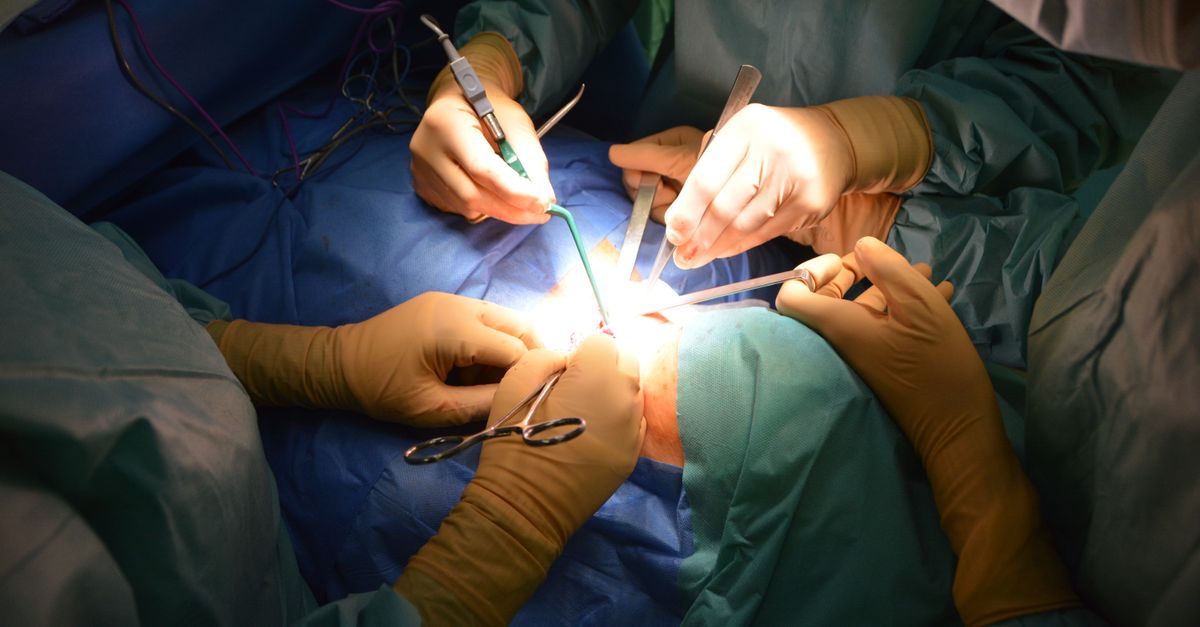
Side-by-Side Comparison
Operative Care
Surgical options range from simple incision and drainage of an abscess to excision of the cyst and sinus tracts, sometimes with a flap technique to flatten the natal cleft. Less invasive procedures also exist. The right choice depends on how extensive the disease is and whether it has recurred.
Evidence generally shows that definitive surgery lowers recurrence compared with drainage alone, though healing can be slow, especially when the wound is left open. Techniques that move the incision off the midline often heal more reliably.
Typical candidates have chronic or repeated disease. Expect an evaluation, a plan for anesthesia, instructions for wound care, activity limits for a period, and follow-up visits until healing is complete.
Non-Operative Care
Non-operative management focuses on keeping the area clean and dry, removing hair from the cleft through shaving, depilatory creams or laser, and avoiding prolonged sitting and friction. Antibiotics may be used for surrounding infection, and an abscess is drained in a brief office or procedure visit.
Studies suggest consistent hair control can reduce flares in many people, particularly with early or mild disease. Drainage relieves an acute abscess but does not always remove the underlying tract, so recurrence can occur.
This path suits people with a first episode or minimal symptoms. Expect short visits, a home routine, and a plan to return if pain, swelling or drainage reappears.
How to Decide
Choose operative care if...
- You have had repeated abscesses or a chronic draining sinus
- Non-operative measures have not kept symptoms under control
- You want the best chance of a lasting resolution
- You can plan for recovery time and wound care
Choose non-operative care if...
- This is your first episode or symptoms are mild
- There is no active abscess needing drainage
- You can keep up consistent hygiene and hair control
- Timing makes surgery difficult right now
This is general information, not personal medical advice. A clinical exam is needed to choose the right approach.
Frequently Asked Questions
Can a pilonidal cyst go away without surgery?
Mild cases may quiet down with hygiene and hair control, but the underlying tract often remains and flares can return.
Does draining an abscess cure it?
Drainage relieves pain and infection but may not remove the tract, so the cyst can come back.
How long is recovery after surgery?
It depends on the technique and wound type. It can range from days to several weeks, and your clinician will explain what to expect.
Will the cyst return after treatment?
Recurrence is possible with either path. It is generally lower after definitive surgery and with ongoing hair and hygiene care.
When should I be seen urgently?
Seek prompt care for rapidly increasing pain, swelling, redness, pus, or fever, which can signal an abscess.
Talk Through Your Options
Contact the practice at 1658 West Ave J., Lancaster, CA 93534 or call (661) 579-6088.
Discuss Your Options