Gallstones Treatment in Lancaster
Gallstones can cause sudden, intense abdominal pain and disrupt eating, sleep and daily routines. Aldo Gamarra, MD provides specialty medical care in Lancaster, CA, with careful evaluation and a clear plan to help you find relief.
Understanding Gallstones
Gallstones are hardened deposits that form in the gallbladder, the small organ beneath the liver that stores bile, a fluid that helps digest fats. They range from tiny grains to stones the size of a golf ball, and a person may have one or many. Gallstones are common, affecting a meaningful share of adults, and many people have them without ever knowing. When stones block a duct, they can cause biliary colic, a severe pain that interrupts meals, work and sleep, and in some cases lead to infection or inflammation.
Most gallstones are made of cholesterol, which forms when bile contains too much cholesterol or when the gallbladder does not empty well. Others are pigment stones, linked to conditions that raise bilirubin such as liver disease or certain blood disorders. Risk factors include being female, age over 40, pregnancy, obesity, rapid weight loss, a family history of gallstones, diabetes, and a diet high in fat and low in fiber. Some medications, including those containing estrogen, can also raise the risk.
Professional treatment matters because gallstone symptoms are easily confused with reflux, ulcers or other digestive problems, and untreated stones can lead to complications such as cholecystitis, bile duct blockage and pancreatitis. A proper evaluation confirms the diagnosis, separates stones that need action from those that can be watched, and guides timely referral when a procedure is the best choice. If you are looking for gallstones treatment in Lancaster, an early conversation can prevent a painful emergency later.
Signs & Symptoms of Gallstones
- Upper right abdominal pain. A steady ache under the right ribs that can last from several minutes to a few hours.
- Pain after fatty meals. Discomfort often begins within an hour or two of eating rich or greasy food.
- Pain between the shoulder blades. Gallbladder pain can radiate to the back or the right shoulder.
- Nausea. A queasy stomach commonly accompanies an episode of biliary pain.
- Vomiting. Some people vomit during an attack, which may briefly ease the discomfort.
- Bloating and gas. Fullness and belching after meals are frequent, though not specific to gallstones.
- Indigestion. Recurring heartburn-like discomfort in the upper abdomen can be a clue.
- Pain at night. Attacks often wake people from sleep, usually after an evening meal.
- Pain lasting over five hours. Prolonged pain may signal a stone stuck in a duct or an inflamed gallbladder.
- Fever and chills. These can point to infection of the gallbladder or bile ducts.
- Yellow skin or eyes. Jaundice suggests a stone may be blocking the bile duct.
- Dark urine. Tea-colored urine can accompany a blocked bile duct.
- Pale or clay-colored stools. Bile not reaching the intestine changes stool color.
- Severe pain with nausea. Intense pain that makes it hard to sit still needs prompt evaluation.
- Severe upper abdominal pain radiating to the back. This can occur with gallstone pancreatitis, which requires urgent care.
- Rapid heartbeat or confusion. These may indicate a serious infection and need emergency attention.
What to Expect
- Careful review of symptoms, trigger meals, history and medications
- Abdominal ultrasound and blood work to check the liver, bile ducts and pancreas
- Watchful waiting for stones without symptoms, surgical referral for symptomatic disease
- Follow-up and coordination of recovery if surgery is advised
- Guidance on eating habits and weight management for long-term digestive health
How We Treat Gallstones
Assessment
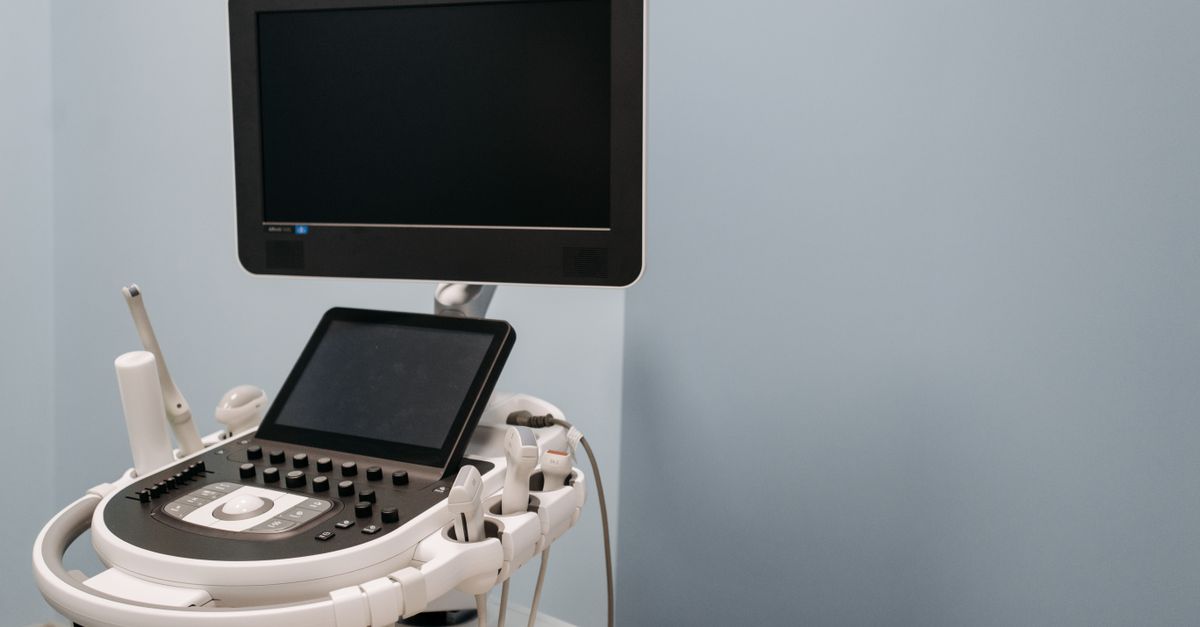
We begin with a careful review of your symptoms, meals that trigger pain, medical history and medications. A physical exam is followed by tests such as an abdominal ultrasound and blood work to check the liver, bile ducts and pancreas. This gives a clear picture of whether gallstones are the cause of your symptoms.
Treatment Plan
We explain your options, including watchful waiting for stones without symptoms and surgical referral for symptomatic disease. Your plan reflects your symptoms, test results, other health conditions and personal preferences. You leave knowing what is recommended and why.
Ongoing Care
We follow up on how you are feeling and whether symptoms have changed. If surgery is advised, we help coordinate the next steps and review recovery afterward. We also discuss eating habits and weight management to support long-term digestive health.
Benefits
A Personalized Care Plan
Gallstones affect people differently. Your plan is built around your symptoms, test results and goals rather than a one-size-fits-all approach.
Unhurried Time for Questions
Decisions about the gallbladder can feel significant. We aim to give you room to ask questions and understand your options before you decide.
Coordinated Follow-Up
After your evaluation and any procedure, we check in on your progress so nothing is left unaddressed as you recover.
Your Treatment Journey
First Evaluation (Week 1)
We review your history, examine you and order imaging and blood tests. Expect a candid discussion of what the findings mean. Severe symptoms may need urgent care rather than waiting for a routine visit.
Treatment Begins (Weeks 2-4)
Once gallstones are confirmed, we outline your plan. For many people with symptoms, this means a referral for gallbladder removal; others may monitor stones that cause no trouble. Dietary adjustments can help while you wait, though they do not dissolve stones.
Progress Review (Month 2-3)
We check whether symptoms have resolved or changed and review any procedure recovery. Most people who have the gallbladder removed notice relief from typical attacks, though some have temporary digestive changes.
Long-term Management
We focus on healthy weight, balanced eating and prompt attention to new symptoms. Stones can occasionally recur in the bile ducts, so we stay alert to returning signs.
Symptoms Closing Note
If you recognize these signs, help is available. Early treatment leads to better outcomes.
Evidence-Based Care for Gallstones
Evidence-based care for gallstones starts with accurate diagnosis, usually abdominal ultrasound, supported by liver and pancreatic blood tests. Further imaging such as MRCP or endoscopic ultrasound may be used if a bile duct stone is suspected. For stones that cause no symptoms, observation is generally appropriate. For symptomatic stones, laparoscopic cholecystectomy, removal of the gallbladder through small incisions, is the standard treatment and is performed by a surgeon to whom we can refer you. Bile duct stones may be removed with a procedure called ERCP. Medicines such as ursodeoxycholic acid can dissolve certain cholesterol stones, but they work slowly and are used selectively. Pain and nausea are managed with appropriate medications during attacks.
Why Choose Aldo Gamarra, MD for Gallstones Treatment
A Personalized Care Plan, Unhurried Time for Questions, Coordinated Follow-Up
Contact
1658 West Ave J., Lancaster, CA 93534 · (661) 579-6088
Common Questions About Gallstones
How long does gallstones treatment take?
It depends on the approach. Evaluation with ultrasound and blood work can often be completed within a short time. If gallbladder removal is recommended, the surgery is commonly done as an outpatient or short-stay procedure, with recovery over days to a few weeks. Stones that cause no symptoms may only need monitoring.
Is medication required for gallstones?
Not always. Pain relievers or anti-nausea medicine may be used during attacks. Medicines that dissolve stones exist but work slowly, are suitable for only some people, and stones often return after stopping them. Surgery is the usual definitive treatment for symptomatic stones.
Does insurance cover gallstones treatment?
Evaluation and treatment of symptomatic gallstones are generally considered medically necessary, but coverage varies by plan. Please call the practice at (661) 579-6088 to ask about coverage, and check with your insurer about your specific benefits.
What if the first treatment does not work?
If symptoms continue, we revisit the diagnosis. Pain may come from other conditions such as ulcers, reflux, or bile duct stones, which need different tests or treatments. We adjust the plan, order further imaging if needed, and coordinate referrals to specialists.
Can I manage gallstones with diet alone?
Diet cannot dissolve existing stones, but lower-fat, balanced meals may reduce the frequency of attacks for some people. Avoiding rapid weight loss and crash diets is important, as they can promote new stones. Diet is a support, not a cure.
When should I seek emergency care for gallstones?
Go to the emergency department for severe constant abdominal pain, fever with chills, yellowing of the skin or eyes, or persistent vomiting. These can signal infection, a blocked duct, or pancreatitis, all of which need prompt treatment.
Get Help for Gallstones Today
You don't have to face Gallstones alone. We are ready to help.
Schedule an Appointment