
Hyperbaric Oxygenation in Lancaster
Hyperbaric oxygenation uses pressurized oxygen to support healing in tissues that are not getting enough oxygen on their own. Our approach in Lancaster, CA is to review your history carefully, explain the evidence honestly and build a plan around your needs.
What is Hyperbaric Oxygenation?
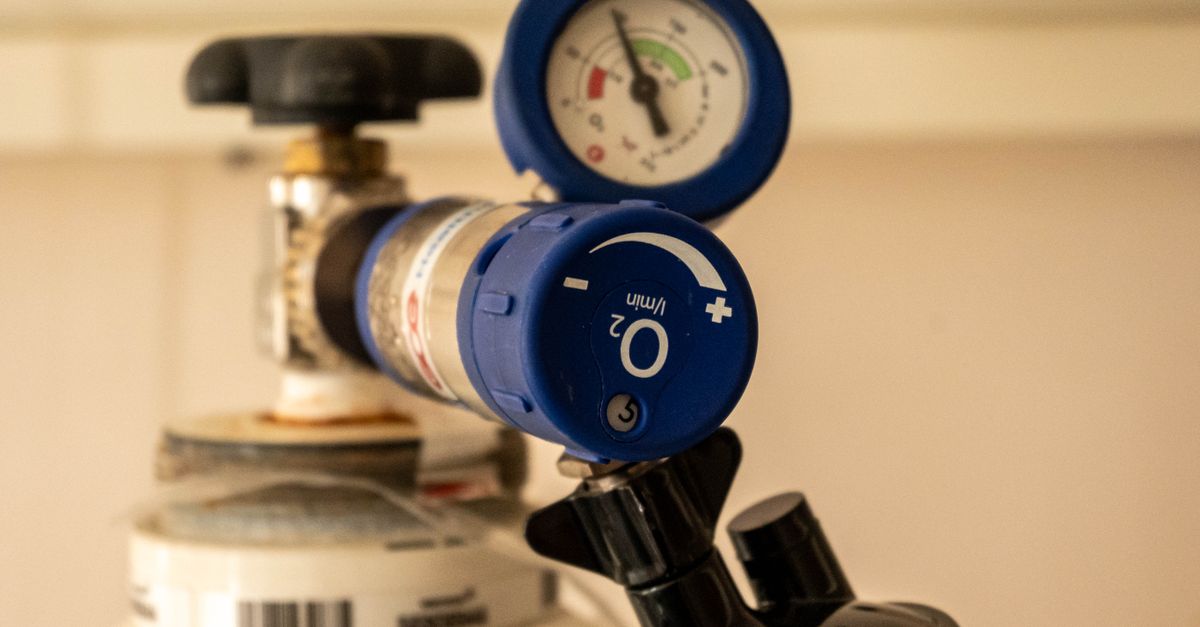
Hyperbaric oxygenation, often called hyperbaric oxygen therapy, involves breathing pure oxygen while the surrounding air pressure is raised, typically to between two and three times normal atmospheric pressure. Under these conditions the lungs can take in much more oxygen than is possible at regular pressure, and the blood plasma carries a greater share of it directly to the tissues.
Healing depends on oxygen. When circulation is damaged by diabetes, radiation, injury or infection, tissues can become starved and repair stalls. Raising the oxygen available to those tissues may help the body fight certain infections, form new small blood vessels and recover from injury. It is most often considered alongside other care such as wound management, antibiotics or surgery.
The evidence base is strongest for a defined list of conditions, including carbon monoxide poisoning, decompression sickness, some chronic wounds and radiation-related injury. For other uses, research is limited or mixed. A good conversation about hyperbaric oxygenation includes what is well supported, what is still uncertain and what alternatives exist.
Situations where it may be considered
- Wounds that heal slowly, such as diabetic foot ulcers
- Tissue damage following radiation therapy
- Carbon monoxide exposure
- Decompression sickness or air embolism
- Certain serious or persistent infections of bone or soft tissue
- Compromised skin grafts or flaps
- Crush injuries with reduced blood supply
What to Expect
- Breathe oxygen at higher than normal atmospheric pressure, usually in a specially designed chamber
- Pressure is raised gradually, which may cause ear fullness similar to descending in an airplane
- Sessions are typically repeated over a series
- Often one part of a broader plan including wound care and infection management
- Results vary from person to person, and it does not suit every condition
Our Approach to Hyperbaric Oxygenation
Initial Assessment
We begin with a careful review of your medical history, current medications, prior treatments and the condition that brought you in. Your history of ear, sinus and lung problems is reviewed, because pressure changes affect those areas. Findings from imaging or wound evaluation help decide whether hyperbaric oxygenation is appropriate.
Personalized Plan
If the therapy fits your situation, we outline the goals, the expected number of sessions and how progress will be measured. The plan accounts for your other conditions and for any treatments you are already receiving, so that hyperbaric oxygenation supports rather than replaces them.
Ongoing Support
During the course of therapy we check in on how you are tolerating treatment, review changes in symptoms and adjust the plan when needed. Questions are welcome at any point, and we coordinate with other clinicians involved in your care.
Benefits
Evidence-Based Candidacy
The evidence base is strongest for a defined list of conditions, including carbon monoxide poisoning, decompression sickness, some chronic wounds and radiation-related injury.
Support for Tissue Healing
Raising the oxygen available to those tissues may help the body fight certain infections, form new small blood vessels and recover from injury.
Coordinated Care
Hyperbaric oxygenation is usually one part of a broader plan, all coordinated so that each piece supports the others.
What to Expect
First Visit
A conversation about your history and goals, a review of your records and a discussion of whether hyperbaric oxygenation is a reasonable option, including its benefits and risks.
Week 2-4
Sessions are typically repeated over a series. Many people settle into the routine of breathing oxygen in a pressurized setting. Changes in the affected area are usually gradual, and mild ear pressure is common.
Month 1-3
Progress is reassessed against the goals set at the start. Depending on the condition, this may mean improved wound appearance or reduced symptoms. The plan may be continued, adjusted or concluded.
Long-term
After therapy ends, follow-up focuses on maintaining results, protecting the treated area and managing the underlying health issues that contributed to the problem.
What the therapy involves
A typical session has you resting comfortably while breathing oxygen in a pressurized environment. Pressure is raised gradually, which may cause a sensation of fullness in the ears similar to descending in an airplane. Swallowing or gentle equalizing techniques help. After the treatment period the pressure is lowered slowly.
Hyperbaric oxygenation is usually one part of a broader plan. Depending on your condition, that plan can include wound care, infection management, medication review, blood sugar control and lifestyle guidance, all coordinated so that each piece supports the others.
Results disclaimer
Results vary from person to person, and hyperbaric oxygenation does not suit every condition.
Common Questions About Hyperbaric Oxygenation
What is hyperbaric oxygenation?
It is a treatment in which a person breathes oxygen at a pressure higher than normal atmospheric pressure, usually inside a specially designed chamber. The higher pressure allows far more oxygen to dissolve in the blood and reach tissues that are poorly supplied.
Which conditions can it help?
Recognized uses include carbon monoxide poisoning, decompression sickness, certain non-healing wounds, radiation-related tissue injury, some serious infections and compromised grafts. It is not a cure-all, and whether it suits you depends on your diagnosis and overall health.
Is the treatment painful or risky?
The treatment is generally not painful. Common effects include ear pressure or fullness, temporary changes in vision and fatigue. Less common risks include sinus discomfort, middle ear injury and, rarely, oxygen toxicity affecting the lungs or nervous system. We review these with you beforehand.
How many sessions might be needed?
This varies widely by condition. Some situations are addressed in a few sessions, while chronic wounds or radiation injury often involve a longer series. Your plan will set an expected range and be reassessed along the way.
How do I find out if it is right for me?
Call the office at (661) 579-6088 or use our contact page. We will talk through your history and concerns and help you decide on next steps. Our office is at 1658 West Ave J., Lancaster, CA 93534.
Ready to Get Help with Hyperbaric Oxygenation?
Call (661) 579-6088 or visit us at 1658 West Ave J., Lancaster, CA 93534.
Book an Appointment