
In-Office vs Operating Room Keloid Treatment
Understand how each approach works, what to expect and how to choose the one that fits your keloid and your goals.
Side-by-Side Comparison
In-Office Keloid Treatment
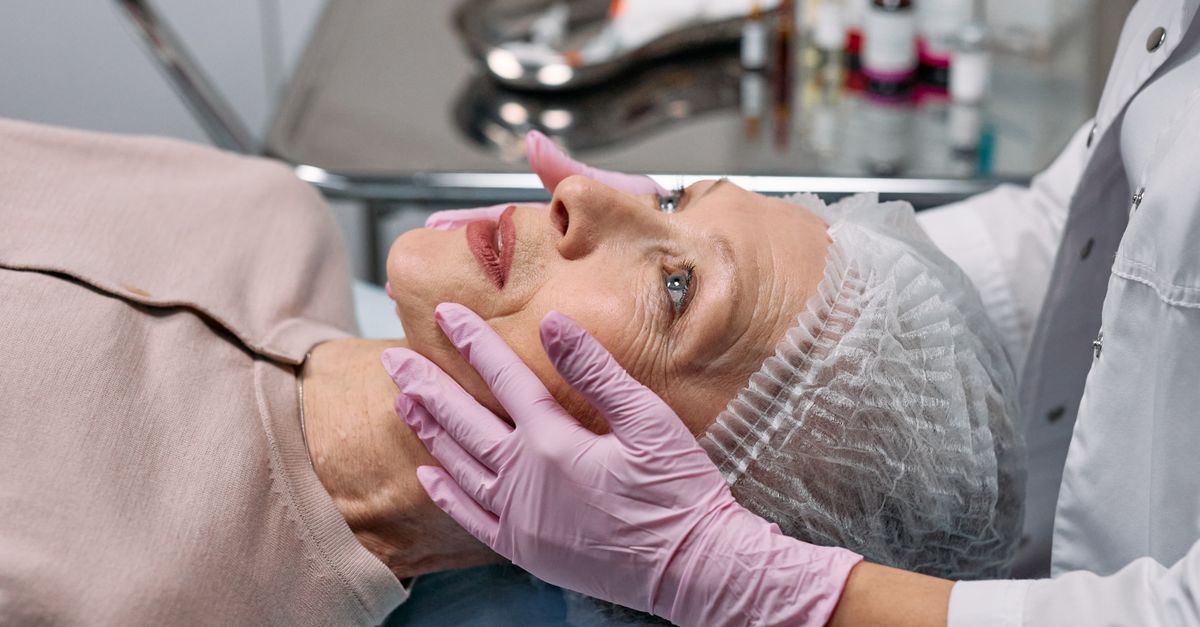
In-office care is performed during a clinic visit, usually with little or no sedation. Common options include corticosteroid injections, which help flatten and soften the scar, along with other office-based therapies chosen for the individual lesion.
Evidence supports injections as a first-line approach for many keloids, though response varies and repeat sessions are common. The typical candidate has a smaller or newer keloid, or wants to avoid the downtime and risks of surgery.
Expect a brief visit, mild discomfort at the injection site and a series of follow-ups so your clinician can track how the keloid responds and adjust the plan.
Operating Room Keloid Treatment
Surgical removal in an operating room is typically considered for large, thick or pedunculated keloids, or those that have not responded to other treatment. Anesthesia and a sterile surgical setting allow the lesion to be excised and the wound carefully closed.
Because keloids can regrow after excision alone, surgery is generally combined with adjunct therapy such as injections, pressure devices or radiation, depending on the site and the patient. Planning this combined approach is central to reducing recurrence.
Expect a procedure day, wound care instructions, suture removal and a longer follow-up period. Healing takes more time than with office-based care, and the final scar needs ongoing monitoring.
How to Decide
Choose in-office treatment if...
- Your keloid is small, recent or moderate in size
- You want minimal downtime and a gradual approach
- You prefer to avoid anesthesia and surgical risk
- You can attend repeated follow-up visits
Choose operating room treatment if...
- Your keloid is large, bulky or pedunculated
- It has not responded to office-based therapy
- It limits movement, function or comfort
- You are prepared for a combined plan with follow-up care
Frequently Asked Questions
Can a keloid come back after treatment?
Yes. Keloids have a tendency to recur with any approach, which is why many treatment plans combine methods and include follow-up visits.
Is surgery always the best way to remove a keloid?
No. Cutting out a keloid without added therapy can lead to regrowth. Surgery is generally reserved for larger lesions and is often combined with injections or other adjunct care.
How many in-office visits might I need?
It varies with the size, location and response of the keloid. Injection-based care is commonly repeated at intervals over several months, and your clinician sets the schedule.
Will insurance cover keloid treatment?
Coverage depends on your plan and on whether the keloid is considered medically necessary or cosmetic. Contact your insurer and the practice to ask about your specific situation.
How do I know which option fits me?
An in-person evaluation of the keloid size, location, history and your goals is the best way to decide. You can call the practice at (661) 579-6088 to discuss your options.
Ready to Choose the Right Keloid Treatment?
Talk with the practice at 1658 West Ave J., Lancaster, CA 93534 or call (661) 579-6088.
Discuss Your Options