
Wound Care and Skin Procedures in Lancaster
Aldo Gamarra, MD provides specialty medical care for wounds and common skin concerns, from cuts and sores that are slow to heal to minor procedures on the skin. The approach is careful assessment, clear explanation and follow-up focused on healing well and preventing complications.
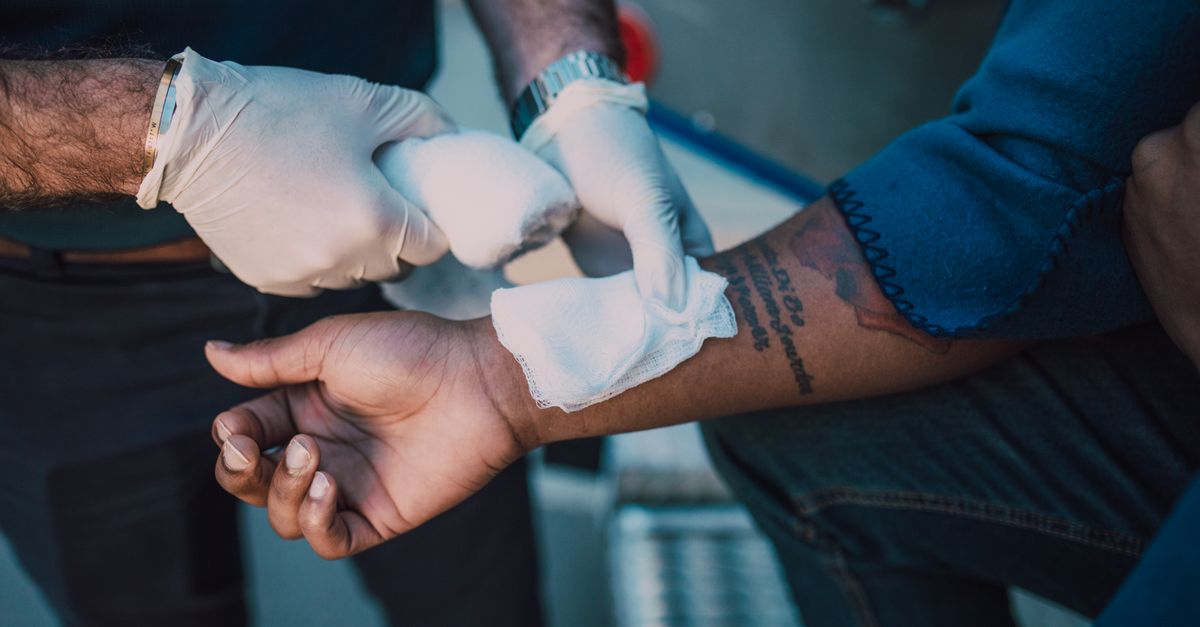
What is Wound Care and Skin Procedures?
Wound care is the evaluation and treatment of breaks or damage in the skin, including cuts, abrasions, punctures, burns, surgical sites, pressure injuries and sores that heal slowly. The goal is to clean the wound, remove material that interferes with healing, protect the area from infection and create conditions in which the body can repair tissue. Skin procedures are minor in-office treatments, such as draining a localized collection, removing a small growth or cyst, or closing a laceration.
This kind of care helps people of all ages. It is especially important for people with diabetes, vascular disease, reduced mobility, or conditions that weaken the immune system, because their wounds can heal more slowly and are more likely to become infected. Even a simple injury can become a larger problem if it is left untreated or not monitored.
General medical evidence supports several principles: keeping a wound clean and appropriately moist generally supports healing, infection should be identified and treated early, and underlying factors such as blood sugar, circulation, pressure and nutrition often determine whether a wound closes. Skin lesions that change in size, color or shape should be examined, since early evaluation matters for any growth that could be concerning.
Signs you may benefit from an evaluation
- A cut, scrape or puncture that is slow to close or keeps reopening
- Increasing redness, warmth, swelling or pain around a wound
- Drainage, pus or an unusual odor from the skin
- A sore that has not shown improvement after two weeks
- A skin lump, cyst or growth that is changing, bothersome or painful
- A wound in someone with diabetes, poor circulation or a weakened immune system
- A skin lesion that bleeds, itches or has changed in color or shape
What to Expect
- Review of your history, medications and health conditions
- Examination of the wound or skin area for size, depth, drainage and signs of infection
- Treatment matched to your situation, with each step explained
- Minor skin procedures typically performed with local numbing
- Follow-up to monitor progress and watch for complications
Our Approach to Wound Care and Skin Procedures
Initial Assessment
We review your history, medications and health conditions, then examine the wound or skin area for size, depth, drainage, signs of infection and factors that may be slowing healing.
Personalized Plan
Treatment is matched to your situation. We explain the options, the reasons for each step, and what you can do at home so the plan fits your daily life.
Ongoing Support
We monitor progress, adjust dressings and treatment as the wound changes, and watch for complications so problems are addressed early.
Benefits
Initial Assessment
We review your history, medications and health conditions, then examine the wound or skin area for size, depth, drainage, signs of infection and factors that may be slowing healing.
Personalized Plan
Treatment is matched to your situation. We explain the options, the reasons for each step, and what you can do at home so the plan fits your daily life.
Ongoing Support
We monitor progress, adjust dressings and treatment as the wound changes, and watch for complications so problems are addressed early.
What to Expect
First Visit
A history, an examination and cleaning of the area. Any needed procedure is discussed first, and you receive written or verbal aftercare instructions.
Week 2-4
Follow-up to check progress, change the treatment plan if needed, and remove sutures when appropriate. Many minor wounds are closing or closed by this point.
Month 1-3
Slower or chronic wounds may still need regular care. We reassess underlying causes if healing stalls. Scars continue to mature during this time.
Long-term
Focus shifts to prevention: skin protection, monitoring of any lesions, and managing conditions that affect healing. Healing varies from person to person, and results cannot be guaranteed.
Treatments and techniques
Depending on the problem, care may include cleaning and irrigation, removal of nonviable tissue, selection of appropriate dressings, and closure of a laceration with sutures or other methods. When infection is present, treatment may include medication and drainage of a localized collection.
Minor skin procedures may include removal or sampling of a skin lesion, treatment of cysts, and care of ingrown or irritated areas, typically with local numbing. Guidance on pressure relief, blood sugar, nutrition and sun protection is part of supporting healing. Any tissue removed may be sent for laboratory review when appropriate.
Common Questions About Wound Care and Skin Procedures
When should I have a wound looked at?
Seek evaluation for a wound that is deep, will not stop bleeding, shows spreading redness, warmth, pus or fever, or has not improved in about two weeks. Wounds in people with diabetes or circulation problems deserve earlier attention. For severe bleeding or a life-threatening injury, call 911.
Are skin procedures painful?
Most minor skin procedures are performed with a local anesthetic to numb the area, so you should feel pressure rather than sharp pain. Some soreness afterward is common and is usually manageable. Your clinician will explain what to expect before beginning.
How long does a wound take to heal?
Healing time depends on the size, depth and location of the wound as well as your overall health, nutrition, circulation and whether infection is present. Small clean wounds may close within days to a couple of weeks, while chronic wounds can take much longer and need ongoing care.
Will I have a scar?
Any wound that goes deeper than the top layer of skin can leave some scarring. Proper cleaning, closure, protection from sun and following aftercare instructions can help reduce the appearance of a scar, though it cannot be fully prevented in every case.
How do I schedule a visit in Lancaster?
You can call the office at (661) 579-6088 or use the contact page. The practice is located at 1658 West Ave J., Lancaster, CA 93534.
Ready to Get Help with Wound Care and Skin Procedures?
Call (661) 579-6088 or visit 1658 West Ave J., Lancaster, CA 93534.
Book an Appointment