
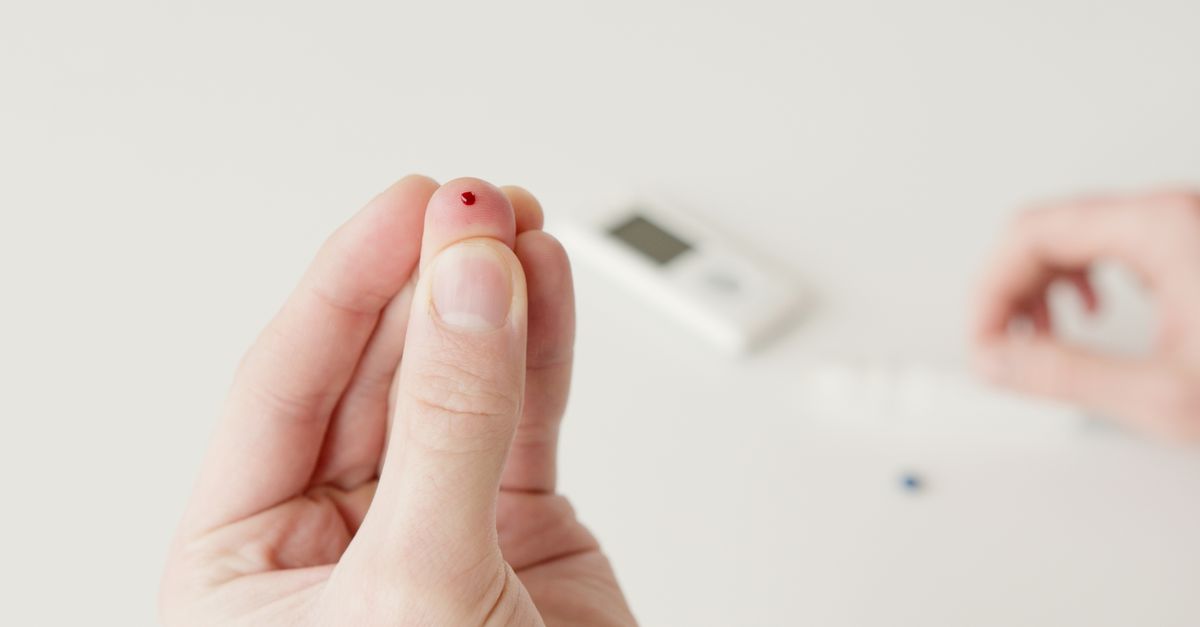
A small blister from a new pair of shoes. A scrape from the garden. For most people these are forgotten within days. For someone living with diabetes, the same minor injury can linger for weeks and, without attention, turn into something serious. If you have ever worried about a sore that just will not heal, you are not alone, and there is a lot you can do to protect yourself.
Why Diabetes Slows Healing
Healing is an active process. The body stops bleeding, fights infection, builds new tissue and finally remodels the skin. Each stage depends on good blood flow, working immune cells and healthy nerves. Diabetes can interfere with all three.
When blood sugar stays high over time, it can damage the small and large blood vessels, so less oxygen and fewer nutrients reach an injured area. High glucose also makes white blood cells less effective at fighting bacteria, which raises the risk of infection. In addition, the extra sugar in tissues can create an environment where germs thrive.
Nerve Damage: The Hidden Problem
Peripheral neuropathy is common in people who have had diabetes for many years. It dulls or removes sensation, most often in the feet. Without pain as a warning, a pebble in a shoe or a tight seam can rub a sore open without being noticed. By the time the wound is found, it may already be deep or infected.
Who Is Most at Risk
Anyone with diabetes can develop a slow-healing wound, but the risk is higher for people who:
- Have had diabetes for a long time or have difficulty keeping blood sugar in range
- Have neuropathy or reduced feeling in the feet
- Have peripheral artery disease or poor circulation
- Have foot deformities such as bunions or hammertoes
- Have had a previous foot ulcer
- Smoke or have kidney disease
What the Research Tells Us
Diabetic foot ulcers are a well-recognized complication, and major health organizations estimate that a meaningful share of people with diabetes will develop one during their lifetime. Foot ulcers are also a leading precursor to lower-limb amputation. The encouraging side of the evidence is that many of these outcomes can be prevented. Regular foot examinations, good glucose management, appropriate footwear and early treatment of small wounds are all linked to better results.
Everyday Habits That Protect You
Prevention is the most powerful tool. These simple habits make a real difference:
- Check both feet every day, including between the toes and the heels. Use a mirror or ask someone for help.
- Wash feet daily in lukewarm water, dry them gently, and moisturize, but not between the toes.
- Wear well-fitting shoes and clean, dry socks. Never walk barefoot, even indoors.
- Clean any small cut right away with mild soap and water and cover it with a clean dressing.
- Keep up with your blood sugar monitoring and the plan you made with your doctor.
- Do not smoke. Tobacco narrows blood vessels and slows healing further.
Warning Signs That Need Prompt Attention
Do not wait and hope. Seek medical care if you notice any of the following:
- A cut, blister or sore that has not improved in a few days
- Redness, warmth, swelling or red streaks spreading from a wound
- Drainage, pus or a bad odor
- Skin that turns dark, black or very pale around a sore
- Fever or chills together with a wound
If you have severe symptoms such as fever, spreading redness or sudden severe pain, seek urgent or emergency care.
Getting Professional Help
Treatment depends on the wound. It often includes cleaning away damaged tissue, keeping the area protected and moist with appropriate dressings, taking pressure off the spot, treating infection and improving blood sugar control. Sometimes circulation needs to be evaluated as well. The earlier a wound is assessed, the simpler the treatment tends to be.
If you are living with diabetes and have a wound that worries you, or you simply want a plan for protecting your skin and feet, Aldo Gamarra, MD can help. Call the practice at (661) 579-6088 or visit 1658 West Ave J., Lancaster, CA 93534. You do not have to manage this alone.