
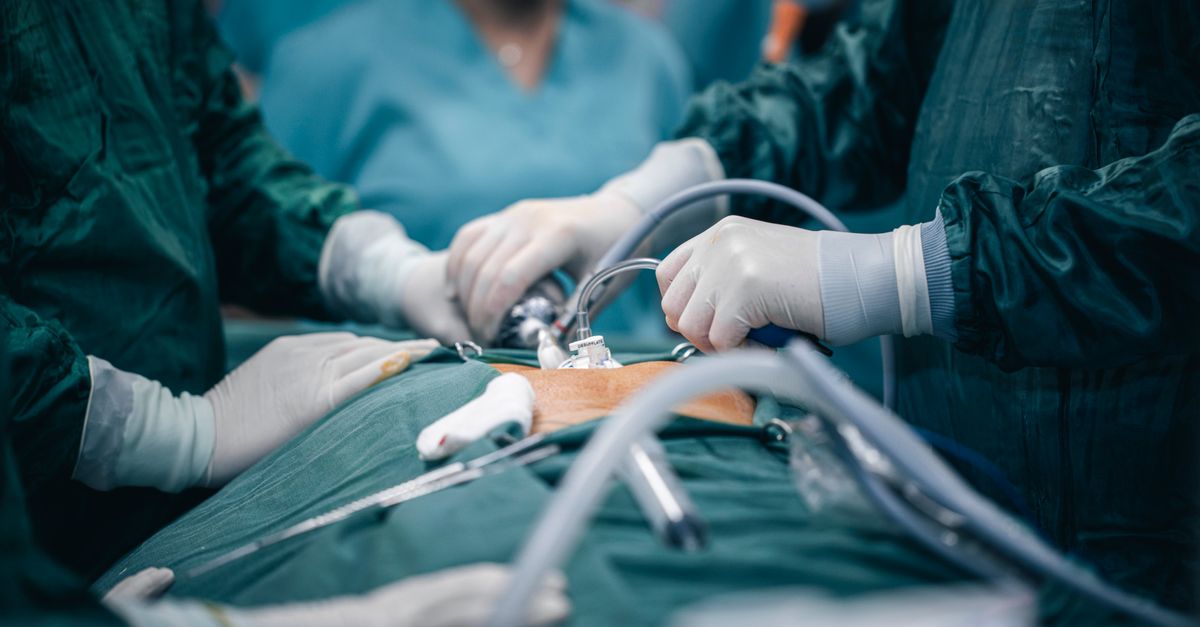
When a doctor tells you that you need surgery on your colon, the questions come fast. Will it hurt? How long will I be away from work and family? And increasingly, patients hear a new question: open, laparoscopic or robotic? Understanding the differences can make the conversation with your surgeon calmer and more productive.
Why Colon Surgery Is Recommended
Colon surgery, also called colectomy, removes part or all of the large intestine. It is commonly used to treat colon cancer, large or unremovable polyps, diverticulitis that keeps returning or has caused complications, inflammatory bowel disease such as Crohn disease or ulcerative colitis, and bowel obstruction. The goal is to remove diseased tissue and, when possible, reconnect the healthy ends so the bowel can work normally.
What Is Open Surgery?
In open colectomy, the surgeon makes a single larger incision in the abdomen. This gives direct sight and touch of the organs. Open surgery has been performed for well over a century and remains a dependable option. It is often chosen for emergencies, for very large tumors, for patients with extensive scar tissue from earlier operations, or when bleeding or infection makes the abdomen difficult to see through a camera.
What Is Robotic Surgery?
Robotic colon surgery is a form of minimally invasive surgery. The surgeon makes several small incisions, places a camera and thin instruments inside, and controls them from a console. The robot does not act on its own; the surgeon directs every movement. The system offers a magnified three-dimensional view and instruments that bend and rotate more than a human wrist, which can help in tight spaces such as the pelvis.
Laparoscopic surgery is a related approach that also uses small incisions, but the surgeon holds long instruments directly. Many of the benefits described below apply to both minimally invasive methods.
The best approach is the one that is safest for your diagnosis, your anatomy and your overall health.
What the Research Shows
Studies comparing approaches have generally found that minimally invasive colon surgery, laparoscopic or robotic, is associated with less pain, smaller scars, fewer wound infections and a shorter hospital stay than open surgery. For colon cancer, large trials have found that laparoscopic surgery performed by experienced surgeons achieves cancer outcomes comparable to open surgery.
Robotic surgery appears to perform similarly to laparoscopic surgery for many colon operations. Some research suggests a lower rate of conversion to open surgery with robotics, especially for rectal procedures, but the advantages for standard colon resections are less clear. Robotic operations may also take longer and cost more. Surgeon experience matters at least as much as the technology used.
Recovery and Risks
Every colon operation carries risks, including bleeding, infection, blood clots, injury to nearby organs and leakage where the bowel is rejoined. Open surgery usually means a longer hospital stay and a longer period of limited lifting. Minimally invasive surgery often allows earlier walking and a quicker return to eating, though individual recovery varies widely. Sometimes a surgeon starts minimally invasively and converts to open surgery for safety. That is a judgment made to protect you, not a failure.
Questions to Bring to Your Appointment
- Ask which approach your surgeon recommends for your specific diagnosis, and why.
- Ask how often the surgeon performs this exact operation.
- Ask under what circumstances the operation might switch to open surgery.
- Ask what recovery, diet and activity limits to expect afterward.
- Bring a list of your medications and prior abdominal surgeries.
Taking the Next Step
There is no single right answer for everyone. Your diagnosis, prior surgeries, other health conditions and the surgeon's training all shape the best plan. If you are facing colon surgery or want to talk through your options, we encourage you to schedule a conversation with a qualified professional. You can call the practice at (661) 579-6088 or reach out through our contact page.