
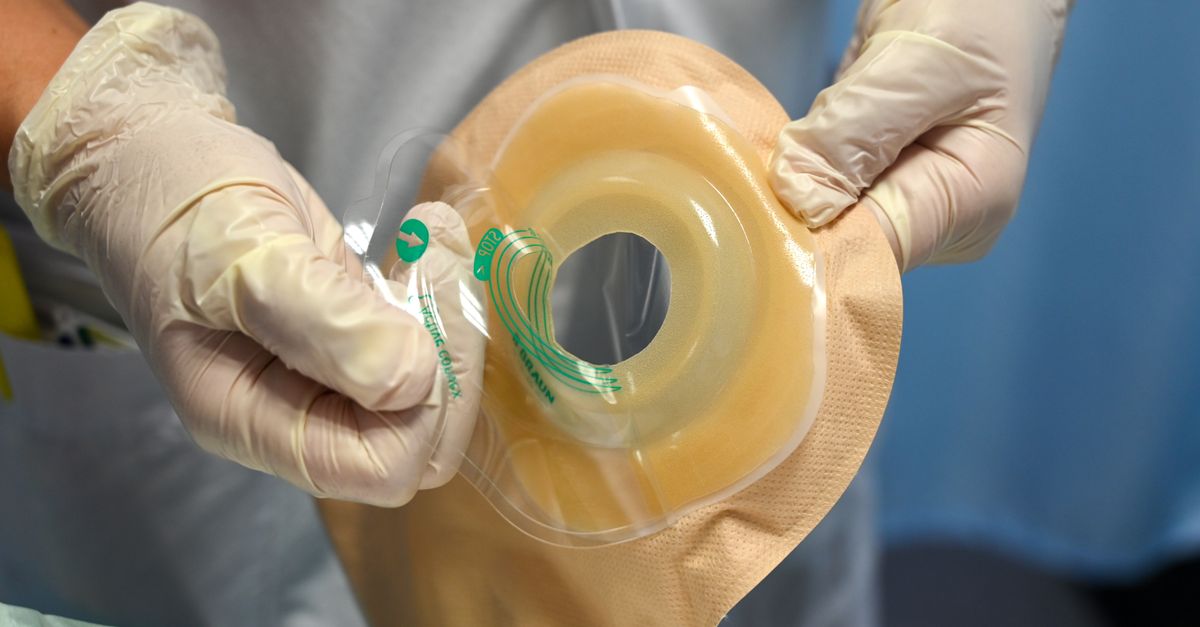
For many people, an ostomy is a lifeline that arrives suddenly. It may follow an emergency, an infection, an injury or major bowel surgery. Once the crisis passes, a new question often takes over: when can I go back to normal? Ostomy reversal, sometimes called takedown, is the operation that answers it for many patients. Understanding what it involves can make the road ahead feel far less uncertain.
What Is Ostomy Reversal?
An ostomy, such as a colostomy or ileostomy, brings a portion of bowel through the abdominal wall so stool can leave the body into a pouch. It is often temporary. It lets the bowel downstream rest and heal after surgery, inflammation or injury. Reversal reconnects the bowel so stool passes through the rectum again, and the opening in the abdominal wall is closed.
Who May Be a Candidate?
Not every ostomy can or should be reversed. Temporary ostomies are usually created with reversal in mind, but candidacy depends on several factors:
- Whether the underlying problem has healed, including any connection or repair made in the earlier operation.
- Your overall health, nutrition and strength.
- Whether further treatment, such as chemotherapy or radiation, is still planned.
- The condition of the remaining bowel and the muscles that control continence.
Some ostomies are permanent by design, for example when the rectum or anus has been removed. In those situations, reversal is generally not an option.
Why Timing Matters
Reversal is typically planned after the body has had time to recover from the first surgery. Waiting allows inflammation to settle and scar tissue to soften, which can make the operation safer. Published surgical literature also shows that waiting too long is not always better, and that the right interval depends on the individual. Your surgeon weighs your recovery, test results and any ongoing treatment to choose a sensible window.
How Is the Procedure Done?
Reversal is performed under general anesthesia. The surgeon frees the bowel from the abdominal wall, prepares the ends, and joins them, either with stitches or staples. The site where the ostomy was located is then closed, sometimes partially to reduce the risk of wound infection. Depending on your anatomy and prior surgeries, the approach may be open or minimally invasive. Hospital stays commonly last several days, though this varies.
Risks and Recovery
Like any abdominal surgery, reversal carries risks. These include wound infection, a leak at the new connection, bowel blockage, hernia at the former site and a slow return of bowel function. Research suggests that complications are not rare, which is why careful preparation matters.
After surgery, bowel habits often take time to settle. Many people notice frequent stools, urgency or loose stool at first. These changes often improve as the bowel adapts, and dietary adjustments, fiber and pelvic floor exercises may help. Tell your care team if symptoms persist, since support is available.
How to Prepare: Practical Tips
- Ask your surgeon why the ostomy was created and whether the original problem has fully healed.
- Review your medical history, medications and any prior abdominal surgeries together.
- Ask which tests, such as imaging or a scope exam, are needed before reversal.
- Discuss nutrition, smoking and activity, since all of them influence healing.
- Plan for time away from work and help at home during early recovery.
- Ask what warning signs should prompt a call after surgery.
Take the Next Step
Wondering about reversal is a normal part of living with an ostomy. The right answer is specific to your history, your health and your goals. If you have questions, a conversation with a qualified clinician is the best place to begin. To reach the practice in Lancaster, CA, call (661) 579-6088 or use the contact page.