
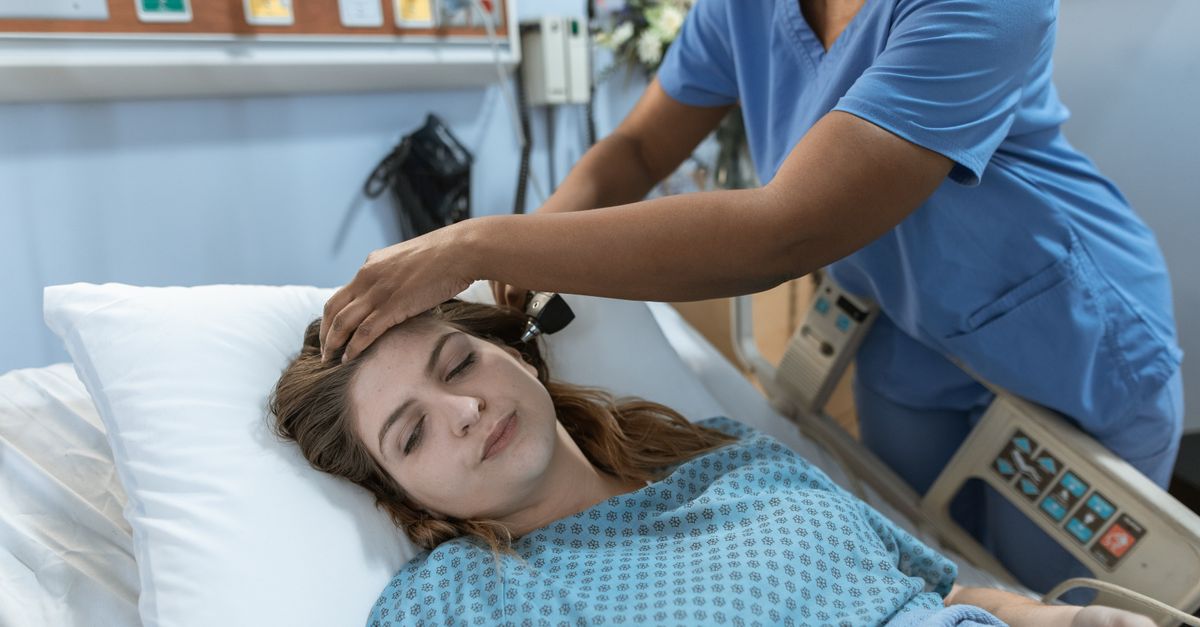
A small red patch on the skin can seem harmless. For someone who spends long hours in a bed or wheelchair, it can be the first sign of a wound that grows deep, painful and slow to heal. Pressure injuries are common, often preventable, and very treatable when they are recognized early. If you or someone you love is living with one, you are not alone, and there are options.
What Is a Pressure Injury?
A pressure injury, sometimes called a pressure ulcer or bedsore, is damage to the skin and the tissue beneath it. It develops when sustained pressure, or pressure combined with friction or shearing, reduces blood flow to an area. Without enough oxygen and nutrients, the tissue begins to break down. These injuries most often appear over bony areas such as the tailbone, hips, heels and elbows.
Who Is at Risk?
Anyone with limited mobility can develop a pressure injury. Risk is higher for people who:
- Use a wheelchair or are confined to bed
- Have spinal cord injury or other conditions affecting sensation
- Have diabetes or circulation problems
- Are older, with thinner and more fragile skin
- Are malnourished or dehydrated
- Have skin that stays moist from incontinence or sweating
Understanding the Stages
Pressure injuries are described in stages. In stage 1, the skin is intact but red and does not blanch when pressed. Stage 2 involves partial loss of skin, such as a blister or shallow open area. Stage 3 is a full-thickness wound that extends into fat. Stage 4 reaches deeper structures such as muscle, tendon or bone. Some wounds are covered by dead tissue and cannot be staged until it is removed. Early stages often heal with pressure relief and good local care, while advanced stages usually need more involved treatment.
Why Treatment Matters
Open wounds can become infected, and infection may spread to bone or the bloodstream. Chronic wounds also cause pain, limit activity, and can lead to repeated hospital stays. Research consistently shows that relieving pressure, managing moisture, supporting nutrition and treating infection are the foundation of healing. When those measures are not enough, a surgical approach may be considered.
What Is Complex Wound Closure?
Complex wound closure refers to surgical techniques used to close wounds that will not heal on their own with dressings alone. The process usually begins with removing dead or infected tissue, a step called debridement, so that the wound bed is clean and healthy. Depending on the size and depth of the wound, closure may involve:
- Direct closure with sutures when tissue can be brought together
- Skin grafts that cover the wound with skin from another area
- Local tissue flaps that move nearby skin, fat and muscle with their blood supply into the wound
The right option depends on the wound, overall health, nutrition, and whether the cause of pressure can be controlled. Surgery works best when it is paired with a plan to keep pressure off the repaired area during recovery.
Practical Steps for Prevention and Healing
- Change position regularly, and ask for help if you cannot do it on your own.
- Inspect the skin daily, especially over the tailbone, hips, heels and elbows.
- Keep skin clean and dry, and use gentle moisturizers on dry areas.
- Use pressure-redistributing cushions and mattresses recommended by your care team.
- Eat enough protein, calories and fluids to support skin and healing.
- Report any new redness, blister or open area promptly rather than waiting.
When to Seek Professional Help
Seek care if a wound is not improving, is getting deeper, has a foul odor, drainage or surrounding redness, or if you develop fever. A wound that has not shown progress after a few weeks deserves a fresh look. If you are in Lancaster, CA and have questions about a pressure injury or a wound that is slow to heal, call the practice at (661) 579-6088 to discuss your situation.