Diverticular disease Treatment in Lancaster
Diverticular disease can bring cramping, bloating and unpredictable bowel habits, and at times a painful flare-up. At Aldo Gamarra, MD in Lancaster, CA, we evaluate your symptoms carefully and build a plan that eases discomfort and helps lower the chance of future episodes.
Understanding Diverticular disease
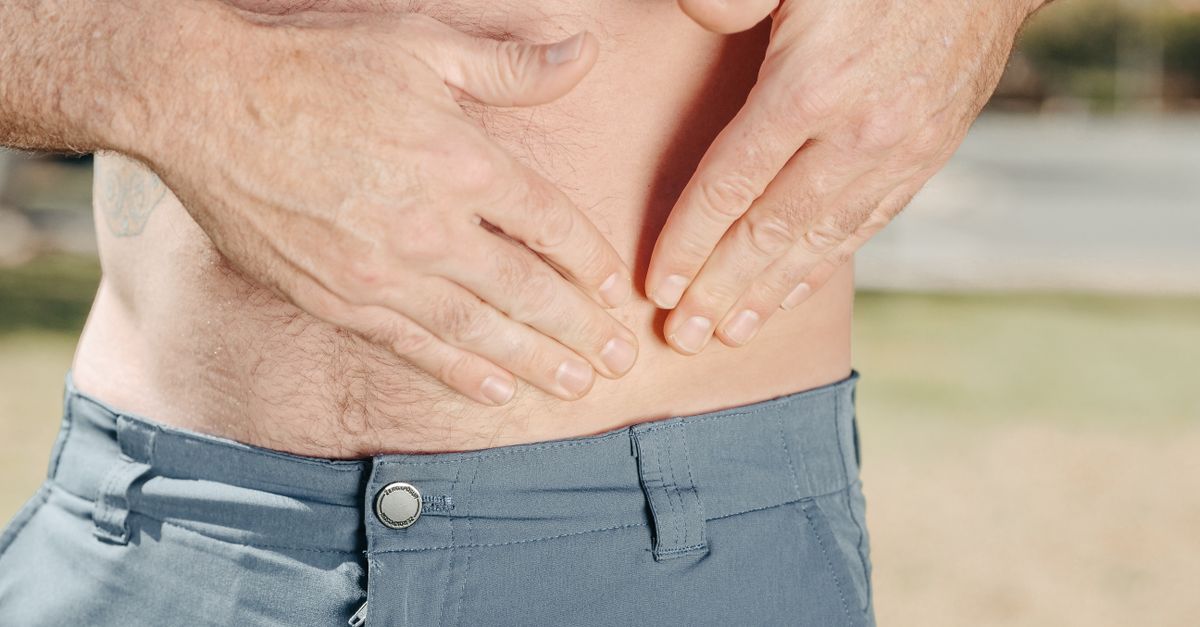
Diverticular disease involves small pouches, called diverticula, that form in weak spots of the colon wall, most often in the sigmoid colon on the lower left side of the abdomen. Having the pouches is called diverticulosis, and it is very common, particularly after age 50. Most people with diverticulosis never notice it. When the pouches become inflamed or infected, the condition is called diverticulitis, which can cause significant pain, fever and changes in bowel function. Some people also have ongoing, milder symptoms between flares, which can affect work, travel, meals and sleep.
The pouches are thought to develop when pressure inside the colon pushes the inner lining through weaker areas of the muscular wall. Risk factors include increasing age, a low-fiber diet, chronic constipation, obesity, physical inactivity, smoking, and regular use of certain medicines such as nonsteroidal anti-inflammatory drugs and opioids. Family history also appears to play a role. Inflammation is believed to arise when stool or bacteria become trapped in a pouch, though changes in gut bacteria and the immune response may contribute as well.
Professional care matters because abdominal pain from diverticulitis can resemble other conditions, including appendicitis, inflammatory bowel disease, kidney stones, gynecologic problems and colon cancer. A proper evaluation confirms the cause, determines whether the flare is mild or complicated, and guides safe treatment. Complications such as abscess, perforation, bleeding, fistula or narrowing of the colon need prompt attention. Ongoing guidance on diet, fiber, medicines and follow-up testing also helps reduce recurrence.
Signs & Symptoms of Diverticular disease
- Lower left abdominal pain. Cramping or aching pain, most often on the left side, that may come and go.
- Bloating. A sense of fullness or distension in the abdomen, often after meals.
- Gas. Increased flatulence or trapped gas that causes discomfort.
- Constipation. Hard or infrequent stools that require straining.
- Diarrhea. Loose stools that may alternate with constipation.
- Change in bowel habits. A noticeable shift in how often or how easily you pass stool.
- Mild tenderness. Soreness when pressing on the lower abdomen.
- Pain that eases after a bowel movement. Relief after passing gas or stool is a common pattern.
- Fever and chills. A temperature above normal with abdominal pain can signal infection.
- Severe, persistent abdominal pain. Pain that steadily worsens or does not settle needs prompt evaluation.
- Nausea and vomiting. Being unable to keep fluids down may point to complication.
- Blood in the stool. Bright red or maroon blood should always be assessed quickly.
- Rectal bleeding. Sudden, painless bleeding can occur from a diverticulum and needs urgent care.
- Rigid or very tender abdomen. Marked tenderness may suggest perforation or peritonitis.
- Inability to pass gas or stool. This may indicate a blockage or narrowing of the colon.
- Rapid heartbeat or lightheadedness. These can accompany significant bleeding or serious infection.
What to Expect
- Careful evaluation of symptoms, bowel habits, diet and medicines
- Imaging, blood tests or stool studies when needed to confirm diverticulitis
- A treatment plan matched to the severity of your episode
- Guidance on fiber, hydration, activity and medicine choices
- Follow-up and colonoscopy timing discussed when appropriate
How We Treat Diverticular disease
Assessment
We review your symptoms, bowel habits, diet, medicines and history, and perform an abdominal examination. Blood tests, stool studies or imaging such as CT may be ordered to confirm diverticulitis and check for complications. We also discuss whether a colonoscopy is appropriate.
Treatment Plan
Your plan reflects how severe your episode is and what else is going on with your health. It may include diet adjustments, pain control, and antibiotics when indicated. We explain each step so you know what to do at home and when to call.
Ongoing Care
After the flare settles, we review progress and discuss follow-up testing. We focus on fiber, hydration, activity and medicine choices that support colon health. If symptoms return, your plan is adjusted promptly.
Benefits
A personalized care plan
Your symptoms, history and goals shape the recommendations, rather than a one-size-fits-all approach.
Unhurried time to ask questions
We take time to explain your diagnosis, the options and what to expect so you feel informed.
Coordinated follow-up
We plan next steps, testing and check-ins so your care stays organized from the first visit onward.
Your Treatment Journey
First Evaluation (week 1)
We discuss your symptoms and history, examine you, and arrange any needed tests or imaging. You leave with an initial plan and clear instructions on warning signs.
Treatment Begins (weeks 2-4)
Mild flares often start improving within a few days of beginning care, though full recovery and return to a normal diet can take a couple of weeks. We adjust the plan if progress is slower than expected.
Progress Review (month 2-3)
We review how you are feeling, discuss colonoscopy timing if appropriate, and fine-tune diet, fiber and medicine choices.
Long-term Management
Diverticula do not go away, so care focuses on healthy habits and prompt attention to symptoms. Many people have no further flares, while others have recurrences and need continued monitoring.
When to Seek Care
If you recognize these signs, help is available. Early treatment leads to better outcomes.
Evidence-Based Management by Stage
Evidence-based management depends on the stage of disease. Asymptomatic diverticulosis is managed with a fiber-rich diet, fluids and regular exercise. Uncomplicated diverticulitis is often treated at home with rest, a short period of clear liquids followed by gradual return to solid food, and acetaminophen for pain; antibiotics are used selectively, particularly for people with fever, significant illness, other medical conditions or a weakened immune system. Complicated disease, such as abscess, perforation or obstruction, may require hospital care, drainage or surgery. Fiber supplements, avoiding smoking and limiting NSAIDs can help lower recurrence risk. Surgery is considered for repeated or complicated episodes on an individual basis.
Why Choose Aldo Gamarra, MD for Diverticular disease Treatment
Our office is located at 1658 West Ave J., Lancaster, CA 93534. Call (661) 579-6088.
Common Questions About Diverticular disease
How long does diverticular disease treatment take?
Mild uncomplicated diverticulitis often improves within several days to a couple of weeks of treatment. Managing the underlying condition through diet, fiber and lifestyle is ongoing, and follow-up timing is individualized.
Is medication required?
Not always. Many people with diverticulosis and no symptoms need no medication. Mild diverticulitis may be managed with rest, a temporary diet change and sometimes antibiotics, while pain relief and other medicines are chosen based on your situation.
Does insurance cover diverticular disease care?
Coverage varies by plan. Please call the practice at (661) 579-6088 to ask about your specific coverage and what to bring to your visit.
What if the first treatment does not work?
If symptoms persist or worsen, the plan is reassessed. That may involve repeat evaluation, imaging, a different medication approach or referral for further care when needed.
Can diet changes prevent flare-ups?
A high-fiber diet, good hydration and regular activity are associated with fewer symptoms and complications. Your plan will be tailored to you, including how to reintroduce foods after a flare.
Do I need a colonoscopy?
A colonoscopy is often recommended several weeks after an episode of diverticulitis, particularly if you have not had a recent one, to confirm the diagnosis and rule out other causes such as polyps or cancer.
Get Help for Diverticular disease Today
You don't have to face Diverticular disease alone. We are ready to help.
Schedule an Appointment