
Existing colostomy or ileostomy Treatment in Lancaster
Living with a colostomy or ileostomy brings daily questions about skin, diet, output and confidence. Our practice in Lancaster, CA provides specialty medical care that looks at the whole picture and builds a plan around your life.
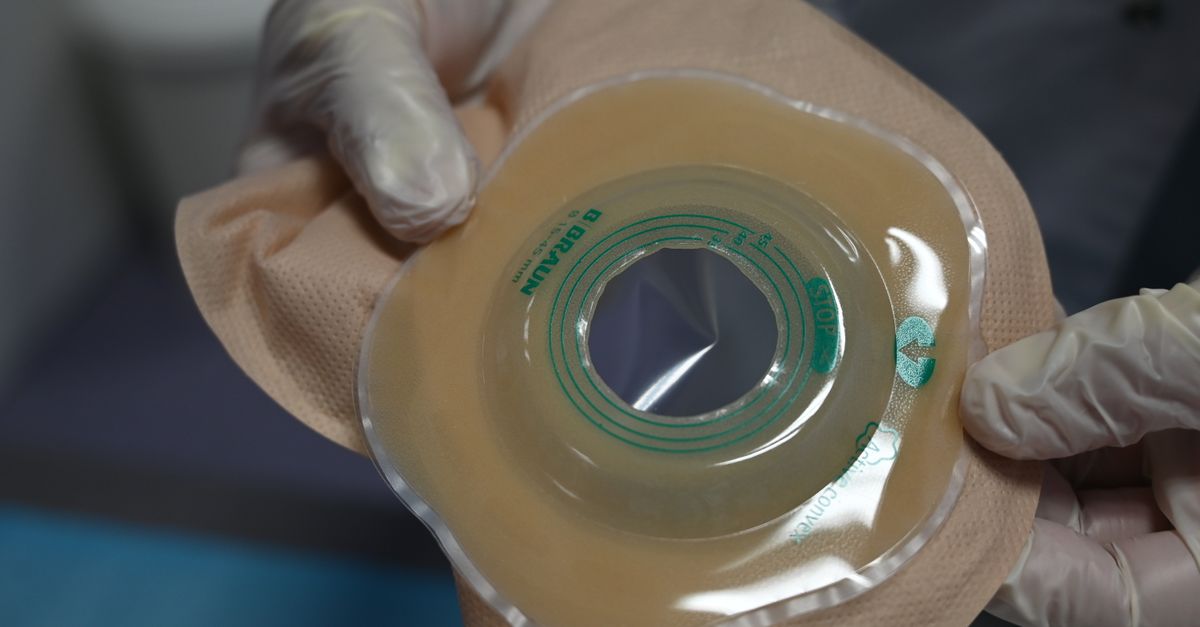
Understanding Existing colostomy or ileostomy
A colostomy or ileostomy is a surgically created opening, called a stoma, that brings part of the large intestine (colostomy) or the end of the small intestine (ileostomy) through the abdominal wall so stool can leave the body into a pouch. Hundreds of thousands of people in the United States live with an ostomy, and many lead full, active lives. Even so, an existing ostomy changes daily routines. Pouch changes, food choices, hydration, clothing, travel, exercise and intimacy all take adjustment, and needs can shift over months and years as weight, activity and health change.
Ostomies are created for many reasons, including colorectal or bladder-related cancers, inflammatory bowel disease such as Crohn's disease or ulcerative colitis, diverticulitis with perforation, bowel obstruction, trauma, and severe fecal incontinence or complex pelvic conditions. Some are temporary and intended for later reversal, while others are permanent. Factors that raise the chance of problems include weight changes, a stoma sited in a skin fold, abdominal wall weakness, heavy lifting, diabetes, smoking, certain medications and poor hydration or nutrition. Ileostomies carry a higher risk of dehydration and electrolyte loss than colostomies.
Professional care matters because small problems can grow quickly. A poorly fitting appliance can lead to skin breakdown, which makes the fit worse. Unrecognized dehydration, partial blockage, hernia or stoma changes can lead to emergency visits. Regular medical follow-up helps review medications and absorption, manage underlying conditions, address nutrition, coordinate with surgeons, ostomy nurses and other specialists, and support emotional well-being. The goal is a stoma that is healthy, a pouch you can trust, and the confidence to do what matters to you.
Signs & Symptoms of Existing colostomy or ileostomy
- Skin irritation around the stoma. Redness, itching or soreness where the pouching system contacts the skin is the most frequent complaint.
- Pouch leakage. Output seeping under the barrier suggests a fit problem, a change in stoma size or a change in body contour.
- Gas and odor. Gas buildup and odor can occur, and are often related to food choices, swallowed air or pouch filters.
- Changes in stool consistency. Output may be looser or firmer than usual depending on diet, medication and the type of stoma.
- Mild cramping. Brief cramping after meals can happen as the bowel adapts to digestion and output.
- Fatigue and low energy. Recovery, nutrition and fluid balance all affect how energetic you feel day to day.
- Dehydration tendency. Ileostomies in particular lose more fluid and salts, so thirst and dry mouth are common.
- Emotional adjustment. Worry about body image, intimacy and social situations is common and deserves attention.
What to Expect
- Detailed review of your surgical history, ostomy type, medications and daily routine
- Examination of the stoma and surrounding skin
- Personalized plan covering skin care, diet, fluids and medications
- Coordination with your surgeon or an ostomy nurse for appliance fitting
- Ongoing follow-up as your weight, health and activity change
How We Treat Existing colostomy or ileostomy
Assessment
We review your surgical history, the reason for your ostomy, current medications and daily routine. We examine the stoma and surrounding skin and ask about output, diet and fluid intake. Lab work or imaging may be considered when your symptoms call for it.
Treatment Plan
Together we set goals, such as fewer leaks, calmer skin or steadier hydration. The plan covers skin care, diet and fluid guidance, and any medication adjustments. When needed, we coordinate with your surgeon or an ostomy nurse for appliance fitting.
Ongoing Care
We check how the plan is working and adjust it as your body and life change. Follow-up visits track skin health, hydration, nutrition and any new concerns. You will know which symptoms need a call and which need urgent attention.
Benefits
A Personalized Care Plan
Your ostomy type, health history and daily routine shape your plan, rather than a one-size-fits-all handout.
Time to Ask Questions
Ostomy concerns can feel personal. We aim for unhurried visits where your questions are welcome and answered plainly.
Coordinated Follow-Up
We plan follow-up and communicate with the other clinicians involved in your care so nothing falls through the cracks.
Your Treatment Journey
First Evaluation (Week 1)
We take a detailed history, examine the stoma and skin, and identify your most pressing concerns. You leave with initial steps and clear guidance on warning signs.
Treatment Begins (Weeks 2-4)
Skin care, appliance changes, diet and hydration adjustments, and any medication changes begin. Many people notice fewer leaks or calmer skin in this period, though some issues take longer.
Progress Review (Month 2-3)
We review what is working, recheck the stoma and skin, and consider labs or referrals if needed. The plan is refined based on your experience.
Long-term Management
Ongoing check-ins help catch changes early as your weight, health and activity evolve. Ostomy care is a long-term partnership, not a one-time fix.
Warning Signs That Need Prompt Care
Stoma color change. A stoma that turns dark purple, brown or black may have lost blood supply and needs urgent evaluation.
No output with bloating. Little or no output with swelling, nausea or vomiting can signal a blockage.
Severe or worsening abdominal pain. Intense pain, especially with a swollen belly, should be assessed promptly.
Bulge around the stoma. A growing bulge may be a parastomal hernia that can affect pouch fit and bowel function.
Stoma retraction or prolapse. A stoma that pulls inward or lengthens and protrudes beyond its usual size needs review.
Signs of dehydration. Dizziness, very dark urine, rapid heartbeat and muscle cramps call for prompt care.
Bleeding or persistent skin breakdown. Ongoing bleeding, open sores or rash that does not heal with routine care should be examined.
Fever or foul-smelling drainage. Fever, pus or spreading redness can indicate infection or an abscess.
If you recognize these signs, help is available. Early treatment leads to better outcomes.
Evidence-Based Management
Evidence-based management of an existing ostomy centers on proper appliance selection and fit, including barrier rings, convex systems or belts when appropriate, along with skin protectants and barrier powders for irritated skin. Medical treatment may include antidiarrheal or stool-thickening agents for high output, bulk-forming fiber for some colostomies, electrolyte and oral rehydration strategies, and review of medications that are poorly absorbed through an ostomy, such as some extended-release products. Nutrition counseling addresses food that can cause blockage, gas or odor. Hernias, prolapse, retraction or persistent skin problems may be referred for surgical opinion. Vitamin B12, iron and other nutrient levels may be monitored where indicated.
Why Choose Aldo Gamarra, MD for Existing colostomy or ileostomy Treatment
A Personalized Care Plan
Time to Ask Questions
Coordinated Follow-Up
Common Questions About Existing colostomy or ileostomy
How long does treatment take?
It depends on the concern. Skin irritation or a fit problem may improve within a few weeks, while hydration, nutrition and hernia-related issues may need months of follow-up. Because an ostomy is often lifelong, care is usually ongoing and adjusted over time.
Is medication required?
Not always. Many people manage well with appliance changes, skin care and diet. Some need medication for high output, skin problems or an underlying condition such as inflammatory bowel disease. Any medication is chosen to suit your type of ostomy.
Does insurance cover it?
Coverage varies by plan and by service, and ostomy supplies are often handled separately from office visits. Please call the practice at (661) 579-6088 to ask about your situation, and check with your insurer about supplies.
What if the first treatment does not work?
That is common and does not mean you are out of options. We reassess the cause, adjust the plan, and may involve an ostomy nurse or surgeon for further input.
When should I seek urgent care?
Seek emergency care for a dark or black stoma, severe pain with swelling, vomiting with no output, signs of serious dehydration, or fever with spreading redness. Do not wait for a routine appointment.
Where can I find care for an existing ostomy near Lancaster?
The practice is located at 1658 West Ave J., Lancaster, CA 93534. Call (661) 579-6088 to ask about scheduling a visit.
Get Help for Existing colostomy or ileostomy Today
You don't have to face Existing colostomy or ileostomy alone. We are ready to help.
Schedule an Appointment