
Keloids Treatment in Lancaster
Keloids are raised scars that grow beyond the original wound, and they can be itchy, tender, and frustrating to live with. Our practice offers careful evaluation and a personalized, evidence-based plan for patients in Lancaster, CA.
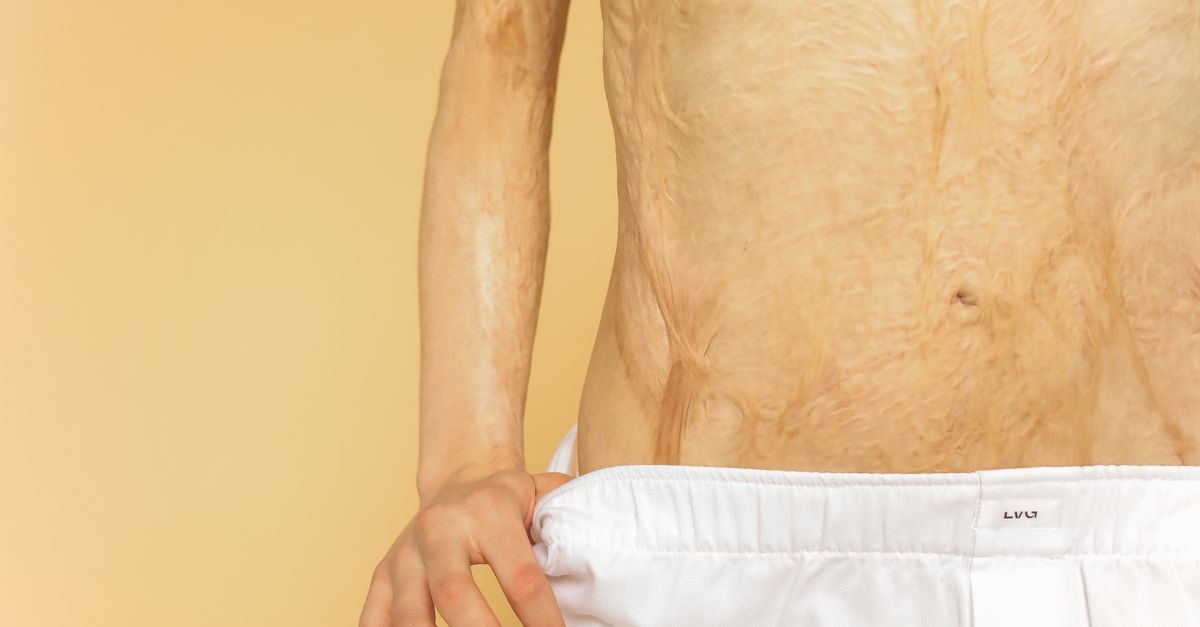
Understanding Keloids
A keloid is an overgrowth of scar tissue that extends beyond the borders of the original injury. Normally, the body repairs skin by laying down collagen and then stopping. In a keloid, that repair process continues, producing a firm, raised, rubbery mass. Keloids can appear after surgery, piercings, acne, burns, vaccinations, insect bites, or even minor scratches. They are most common on the earlobes, chest, shoulders, upper back, and jaw line. Although they are not dangerous, they can be itchy or painful, limit movement, and affect confidence, particularly when they appear on visible areas.
The exact cause is not fully understood, but genetics clearly play a role. Keloids tend to run in families and are seen more often in people with darker skin tones, including people of African, Hispanic, and Asian descent. They most often develop between adolescence and about age 30. Risk factors include skin tension at the wound site, infection or prolonged inflammation during healing, and repeated trauma to the same area. Having had one keloid raises the chance of developing another after a new injury.
Professional treatment matters because keloids rarely go away on their own and may continue to grow. Attempting to cut one out without a plan often causes a larger recurrence. A medical evaluation confirms that the lesion is a keloid rather than another skin growth, identifies which therapies suit your skin and scar, and lowers the risk of recurrence by combining treatments and follow-up. Starting earlier generally gives more options and better comfort.
Signs & Symptoms of Keloids
- Raised, firm scar tissue. The scar rises above the surrounding skin and feels rubbery or hard.
- Growth beyond the original wound. Unlike ordinary scars, keloids spread past the edges of the injury.
- Pink, red, or purple color. Newer keloids are often reddish, and they may darken over time.
- Darker than surrounding skin. Older keloids frequently become brown or hyperpigmented, especially in deeper skin tones.
- Itching. Persistent itch is one of the most common complaints.
- Tenderness or pain. The area may ache or be sore when touched or rubbed by clothing.
- Slow, progressive growth. Keloids can keep enlarging for months or years after the injury.
- Shiny, smooth surface. The skin over the scar often looks taut and glossy.
What to Expect
- Careful evaluation of your history, scar size, location, and texture
- Personalized plan based on your scar and skin type
- Treatment often combines methods, such as corticosteroid injections, silicone, pressure therapy, cryotherapy, or laser
- Multiple sessions are typically needed for flattening
- Follow-up visits to monitor response and reduce the chance of recurrence
How We Treat Keloids
Assessment
We review your medical history, prior scarring, and what triggered the keloid. The scar is examined for size, location, and texture. We confirm the diagnosis and discuss your goals.
Treatment Plan
We outline the options that fit your scar and skin type, along with benefits and risks. Treatment begins once you understand and agree to the plan. Your questions are welcome at every step.
Ongoing Care
We schedule follow-up to check how the scar is responding. The plan is adjusted if needed. We also share guidance to help reduce the chance of recurrence.
Benefits
A Personalized Care Plan
Keloids differ in size, location, and history. Your plan is built around your scar and your goals rather than a one-size approach.
Unhurried Time to Ask Questions
We want you to understand your diagnosis and each option. You are encouraged to bring every question to your visit.
Coordinated Follow-Up
Keloids need monitoring over time. Follow-up visits keep your treatment on track and let the plan be adjusted as needed.
Your Treatment Journey
First Evaluation (Week 1)
Your history and scar are reviewed, and goals are discussed. Expect a conversation about options, risks, and realistic outcomes rather than a promise of complete removal.
Treatment Begins (Weeks 2-4)
Initial treatment starts, often with injections or other therapy. Some tenderness is normal, and flattening typically takes multiple sessions.
Progress Review (Month 2-3)
Changes in height, texture, itch, and comfort are assessed. The plan may be adjusted if response is limited.
Long-term Management
Keloids can recur, so periodic follow-up and prevention steps, such as protecting the area from new injury, help maintain results.
Warning Signs That Need Prompt Care
Rapid enlargement. A scar that grows quickly deserves prompt evaluation.
Open sores or ulceration. Breakdown of the surface raises the risk of infection.
Drainage or pus. Fluid, odor, or crusting can signal infection.
Spreading redness and warmth. These may point to infection rather than scar growth alone.
Bleeding without injury. Spontaneous bleeding should be examined.
Restricted movement. Keloids near joints, the neck, or the chest can limit motion.
Severe or worsening pain. Pain out of proportion to the scar needs assessment.
Changes in an old lesion. A new color, texture, or shape change should be checked to rule out other skin conditions.
If you recognize these signs, help is available. Early treatment leads to better outcomes.
Evidence-Based Keloid Treatment
Evidence-based keloid treatment often combines methods. Intralesional corticosteroid injections, such as triamcinolone, are a common first-line option that can soften and flatten the scar and relieve itching. Other approaches include silicone gel or sheeting, pressure therapy (especially for earlobes), cryotherapy to freeze the tissue, and injections of agents such as 5-fluorouracil. Laser therapy may help redness and texture. Surgical removal may be considered for selected keloids, but it is usually paired with another therapy, such as steroid injections or radiation, because of the high recurrence risk. The right combination depends on your keloid.
Contact Information
Call (661) 579-6088 · 1658 West Ave J., Lancaster, CA 93534
Common Questions About Keloids
How long does keloid treatment take?
Most plans unfold over several months, with treatments spaced weeks apart, followed by monitoring because keloids can return. Your timeline depends on the size, location, and age of the scar and the methods chosen.
Is medication required?
Not always. Many treatments involve medication, such as corticosteroid injections, but options like silicone sheeting, pressure therapy, or procedures may be used alone or in combination. Your plan is tailored to you.
Does insurance cover keloid treatment?
Coverage varies by plan and by whether treatment is considered medically necessary rather than cosmetic. Please call the office at (661) 579-6088 to ask about your situation, and check with your insurer as well.
What if the first treatment does not work?
This is common, because keloids are stubborn. Your plan can be adjusted by changing the approach, combining methods, or trying a different modality, and your progress is reviewed along the way.
Can a keloid come back after treatment?
Yes. Recurrence is a known risk, especially after surgery alone, which is why combination therapy and follow-up are often recommended.
Where can I get keloid treatment in Lancaster?
You can contact Aldo Gamarra, MD at 1658 West Ave J., Lancaster, CA 93534 or call (661) 579-6088 to discuss an evaluation.
Get Help for Keloids Today
You don't have to face Keloids alone. We are ready to help.
Schedule an Appointment