
Wounds needing flap closure Treatment in Lancaster
Some wounds are too large, deep or complicated to close with stitches alone. Our Lancaster practice evaluates each wound carefully and plans a reconstructive closure matched to your tissue, your health and your goals.
Understanding Wounds needing flap closure
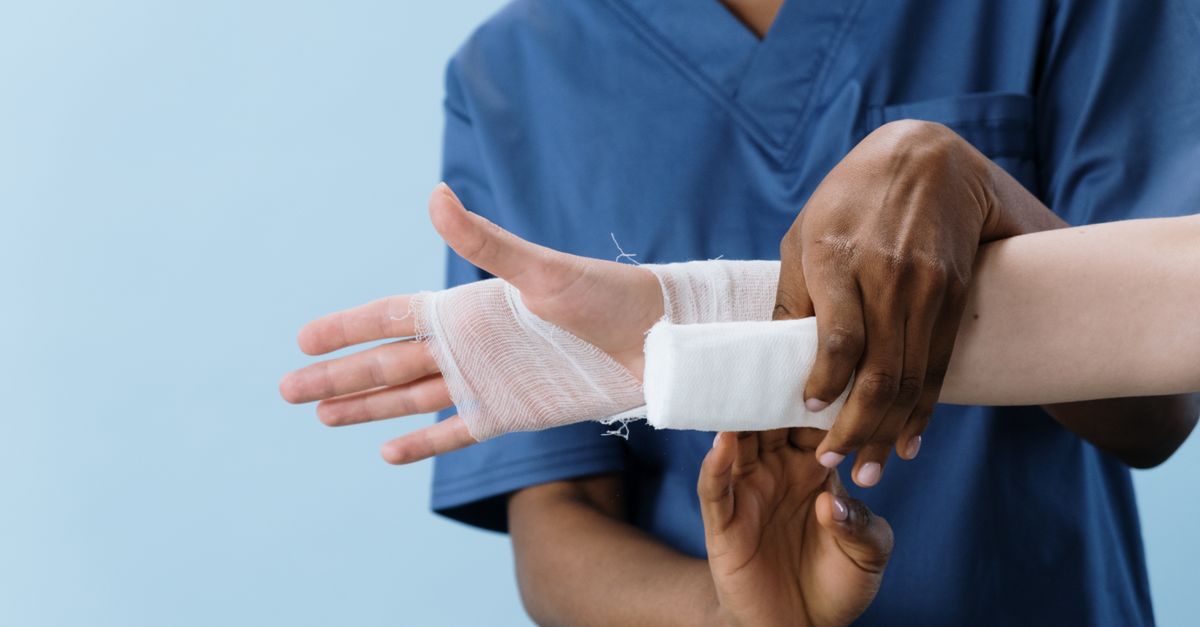
A wound needing flap closure is an area of missing or damaged skin and soft tissue that cannot be repaired by pulling the edges together or by a simple skin graft. In a flap procedure, a section of healthy tissue, including its blood supply, is moved from a nearby or distant site to cover the defect. Flaps are used for wounds on the scalp, face, trunk, pressure areas, and the arms and legs, particularly where bone, tendon, nerves, blood vessels or implanted hardware are exposed. These wounds affect people of all ages, though they are more common in those with chronic illness, prior surgery or significant injury.
Causes include trauma, removal of skin cancers, surgical wounds that break open, pressure injuries, burns, radiation damage, infections and chronic ulcers. Risk factors for poor healing include diabetes, smoking, poor circulation, malnutrition, obesity, long-term steroid use, prior radiation and prolonged pressure on one area. A wound that stays open for weeks can limit mobility, cause pain and drainage, interfere with work and sleep, and take an emotional toll on patients and families.
Professional treatment matters because an open wound with exposed deep structures can become infected, and infection can spread to bone or the bloodstream. Choosing the wrong closure can lead to breakdown, tissue loss or the need for repeat surgery. A careful evaluation looks at the wound bed, blood supply, infection risk and your overall health so that the closure option is chosen with the best chance of lasting healing and the most natural function and appearance possible.
Signs & Symptoms of Wounds needing flap closure
- Open tissue defect. The wound is too wide or deep for its edges to be pulled together with simple stitches.
- Exposed deeper structures. Bone, tendon, cartilage or hardware may be visible at the base of the wound.
- Missing skin or soft tissue. Tissue lost to injury, surgery or disease leaves a gap that cannot close by itself.
- Slow or stalled healing. The wound shows little improvement over several weeks of standard dressing care.
- Persistent drainage. Ongoing fluid from the wound can signal that the area is not closing as expected.
- Tension at the wound edges. Edges that pull apart when brought together suggest a flap may be needed.
- Pain or tenderness. Raw, exposed tissue is often sore, especially with movement or dressing changes.
- Visible scarring or contour change. Prior healing may have left a depressed or tight area needing reconstruction.
What to Expect
- Careful evaluation of the wound bed, blood supply, infection risk and overall health
- Wound preparation by removing unhealthy tissue and controlling infection
- Flap reconstruction planned to sit without tension and with a healthy blood supply
- Post-surgery checks of the flap for color, warmth and healing
- Follow-up visits until the area is stable and you are comfortable
How We Treat Wounds needing flap closure
Assessment
We review your history, medications, and the cause of the wound, then examine its size, depth and surrounding tissue. Blood supply, signs of infection and nutrition are considered. Imaging or lab tests may be requested when they will guide the decision.
Treatment Plan
We explain the options, including dressings, grafting and the type of flap best suited to your wound. The wound is prepared by removing unhealthy tissue and controlling infection. The reconstruction is then planned so the flap sits without tension and with a healthy blood supply.
Ongoing Care
After surgery we check the flap for color, warmth and healing, and manage drains, dressings and sutures. You receive clear instructions on activity, positioning and wound protection. Follow-up visits continue until the area is stable and you are comfortable.
Benefits
A Personalized Care Plan
No two wounds are alike. Your plan reflects the location of the wound, your health and your goals rather than a one-size-fits-all approach.
Unhurried Time to Ask Questions
Reconstruction can feel overwhelming. We take the time to explain your options, what recovery involves and the risks, so you can decide with confidence.
Coordinated Follow-Up
Healing takes more than one visit. Follow-up is planned from the start so changes in your wound are noticed and addressed early.
Your Treatment Journey
First Evaluation (week 1)
We examine the wound, review your history and discuss closure options. Some tests or wound preparation may be arranged. Expect a frank conversation about timing and risks.
Treatment Begins (weeks 2-4)
The wound is prepared and, when it is ready, the flap procedure is performed. Early recovery involves dressing care, activity limits and close checks of the flap.
Progress Review (month 2-3)
We assess healing, sutures and scar development, and address stiffness or tightness. Some wounds heal sooner, while others need adjustments.
Long-term Management
Scars continue to mature for many months. We guide skin protection, pressure relief and strategies to lower the chance of the wound returning.
Warning Signs That Need Prompt Care
Spreading redness. Redness moving outward from the wound can indicate infection.
Fever or chills. A systemic response may mean infection is spreading beyond the wound.
Foul-smelling or pus-like drainage. Cloudy, thick or malodorous fluid is a sign of infection.
Darkening or black tissue. Dead tissue can prevent healing and often needs prompt removal.
Rapidly increasing pain. Pain that worsens quickly should be evaluated without delay.
Cool, pale or blue skin nearby. These changes can point to poor blood supply to the area.
Swelling and warmth. A hot, swollen area may mean infection or a collection of fluid.
Wound opening after surgery. Edges separating after a procedure need prompt assessment.
If you recognize these signs, help is available. Early treatment leads to better outcomes.
Evidence-Based Treatment Approach
Evidence-based care typically begins with wound bed preparation: surgical debridement of non-viable tissue, irrigation, and treatment of infection with cultures and targeted antibiotics when needed. Negative pressure wound therapy may be used to reduce swelling and encourage healthy tissue before closure. Flap options include local advancement, rotation and transposition flaps, as well as regional or free flaps for larger defects. Pain control, nutrition, smoking cessation and blood sugar management all support healing. The choice among these is individualized after examination.
Why Choose Aldo Gamarra, MD for Wounds needing flap closure Treatment
See the benefits listed: personalized care plan, unhurried time to ask questions, coordinated follow-up.
Common Questions About Wounds needing flap closure
How long does treatment for a wound needing flap closure take?
It depends on the size and location of the wound, your general health and whether infection is present. The flap procedure itself is a single operation in many cases, but healing and follow-up typically continue for several weeks to a few months. Your surgeon can give an estimate once the wound has been examined.
Is medication required?
Medication is often part of care. This can include pain relief, and antibiotics when infection is present or a risk. Your specific plan is decided after evaluation, and your medical history and current medications are reviewed first.
Does insurance cover flap closure?
Coverage varies by plan and by the reason for the procedure. Reconstructive closure of a wound is often treated differently from cosmetic work. Please call the office at (661) 579-6088 to ask about your situation, and check with your insurer as well.
What if the first treatment does not work?
Wound healing can be unpredictable. If a flap or wound does not heal as planned, your surgeon can reassess for infection, blood supply or tension problems, then adjust the plan with dressing changes, further debridement, or another reconstructive option.
What is the difference between a skin graft and a flap?
A graft is a thin piece of skin moved without its own blood supply, so it needs a healthy wound bed. A flap brings along its own blood supply and deeper tissue, which makes it suitable for wounds with exposed bone, tendon or hardware.
What can I do to help my wound heal?
Keep dressings clean as directed, avoid smoking, manage blood sugar if you have diabetes, eat enough protein, and attend every follow-up visit. Avoid pressure or tension on the area as instructed.
Get Help for Wounds needing flap closure Today
You don't have to face Wounds needing flap closure alone. We are ready to help. 1658 West Ave J., Lancaster, CA 93534 · (661) 579-6088
Schedule an Appointment